






# =423QS World University Rankings

131Undergrad & Postgrad Programmes


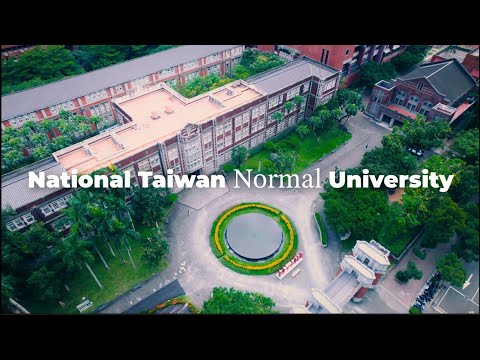
About National Taiwan Normal University (NTNU)
Characterized by both tradition and innovation,
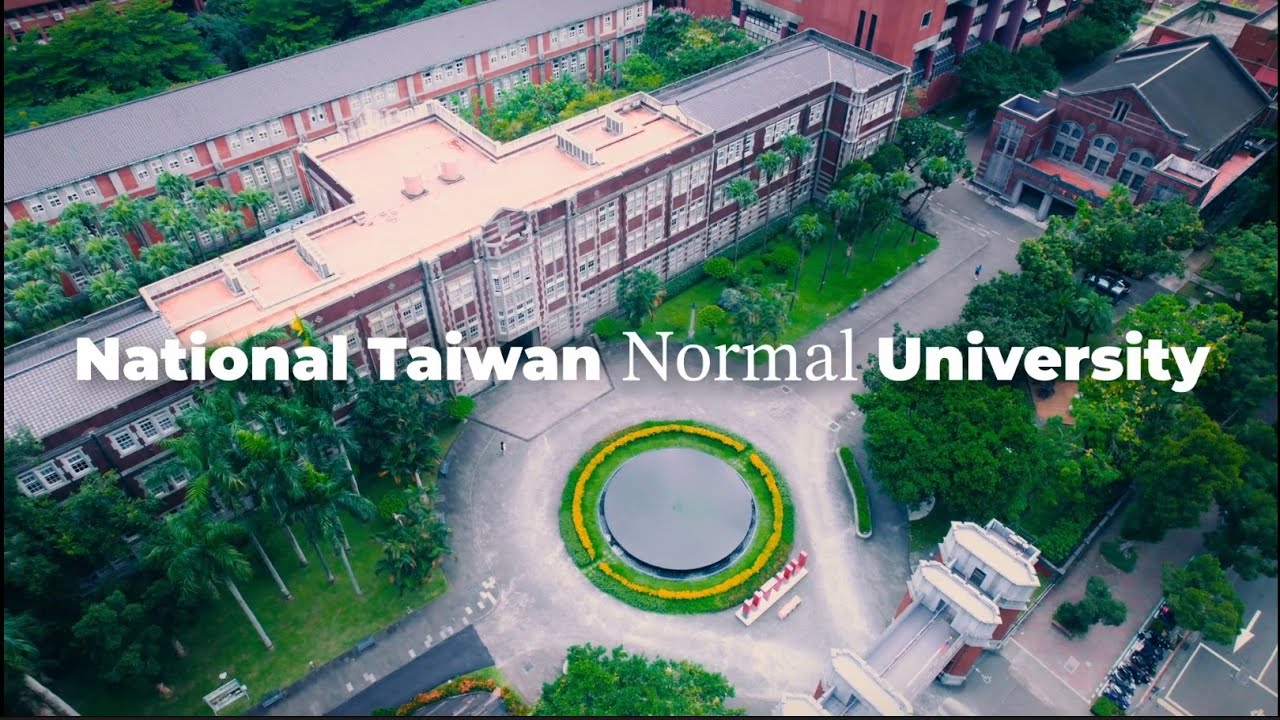
National Taiwan Normal University (NTNU) has long been recognized as one of
Taiwan’s elite institutions of higher education. Founded in 1922, NTNU was
formerly an institution dedicated to teacher education. The university later
evolved into a comprehensive university that provides students and scholars
with opportunities to study and conduct research in a wide range of fields. Throughout
its long history, NTNU has always been committed to academic excellence and
this is reflected in the many influential educators and researchers that have
studied at NTNU over the years.
NTNU’s mission to nurture individuals who are
critical thinkers and who are prepared to meet the challenges of an
ever-changing world has attracted thousands of talented students and scholars
from Taiwan and abroad. With three campuses in Taipei City and New Taipei City,
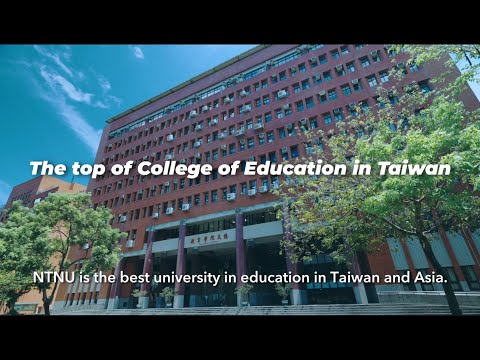
NTNU offers 67 academic subjects in ten degree-granting colleges. These
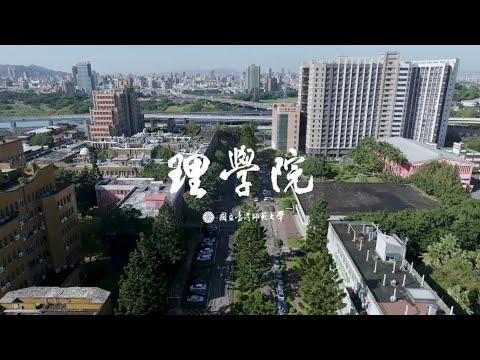
include the College of Education, College of Liberal Arts, College of Science,
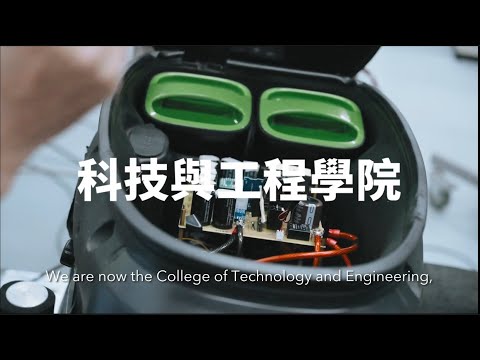
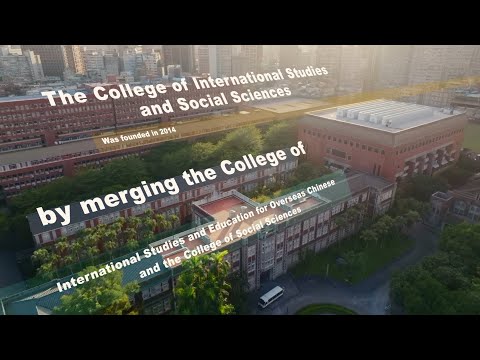
College of Technology and Engineering, College of International Studies and
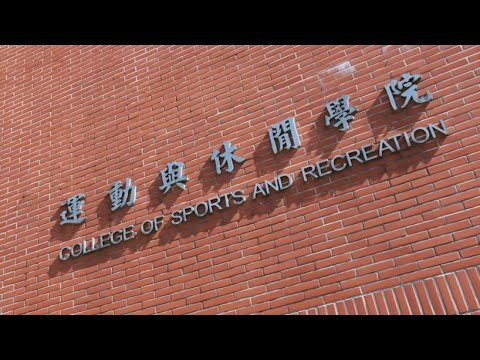
Social Sciences, College of Sports and Recreation, College of Arts, College of
Music, College of Management, and College of Industry Academia Innovation. The
internationally renowned Mandarin Training Center is also located at NTNU. Each
year approximately 1,800 students from over 90 countries take part in language
courses offered by the Mandarin Training Center.
About National Taiwan Normal University (NTNU)
Characterized by both tradition and innovation,
National Taiwan Normal University (NTNU) has long been recognized as one of
Taiwan’s elite institutions of higher education. Founded in 1922, NTNU was
formerly an institution dedicated to teacher education. The university later
evolved into a comprehensive university that provides students and scholars
with opportunities to study and conduct research in a wide range of fields. Throughout
its long history, NTNU has always been committed to academic excellence and
this is reflected in the many influential educators and researchers that have
studied at NTNU over the years.
NTNU’s mission to nurture individuals who are
critical thinkers and who are prepared to meet the challenges of an
ever-changing world has attracted thousands of talented students and scholars
from Taiwan and abroad. With three campuses in Taipei City and New Taipei City,
NTNU offers 67 academic subjects in ten degree-granting colleges. These
include the College of Education, College of Liberal Arts, College of Science,
College of Technology and Engineering, College of International Studies and
Social Sciences, College of Sports and Recreation, College of Arts, College of
Music, College of Management, and College of Industry Academia Innovation. The
internationally renowned Mandarin Training Center is also located at NTNU. Each
year approximately 1,800 students from over 90 countries take part in language
courses offered by the Mandarin Training Center.
Available programmes

University information
Scholarships
Selecting the right scholarship can be a daunting process. With countless options available, students often find themselves overwhelmed and confused. The decision can be especially stressful for those facing financial constraints or pursuing specific academic or career goals.
To help students navigate this challenging process, we recommend the following articles:

How to get a full scholarship
Looking for a fully-funded scholarship to see you into university? Find out how to boost your chances of getting one.


Scholarships to study abroad
Find scholarships to study abroad with our lists of international scholarships – categorized by country, by subject, and by type of student.


Scholarship Applications: Frequently Asked Questions
Get answers to all your questions about scholarship applications, including tips on how to find scholarships and chances of success.

Rankings & Ratings
National Taiwan Normal University (NTNU) is one of the top Public universities in Taipei City, Taiwan. It is ranked #=423 in QS World University Rankings 2027.


QS World University Rankings
- 2015#411-420
- 2016#=376
- 2017#=310
- 2018#=289
- 2019#308
- 2020#331
- 2021#331
- 2022#=334
- 2023#332
- 2024#=431
- 2025#=452
- 2026#435
- 2027#=423

QS World University Rankings
- 2015#411-420
- 2016#=376
- 2017#=310
- 2018#=289
- 2019#308
- 2020#331
- 2021#331
- 2022#=334
- 2023#332
- 2024#=431
- 2025#=452
- 2026#435
- 2027#=423










Campus locations

open the map
Get closer to your dream programme
Your consent preferences have been set.
Time to start exploring.
Your account has been removed.
You can still browse the site or sign up again once you have parental consent.
Get closer to your dream programme