





Sponsored by Waseda University
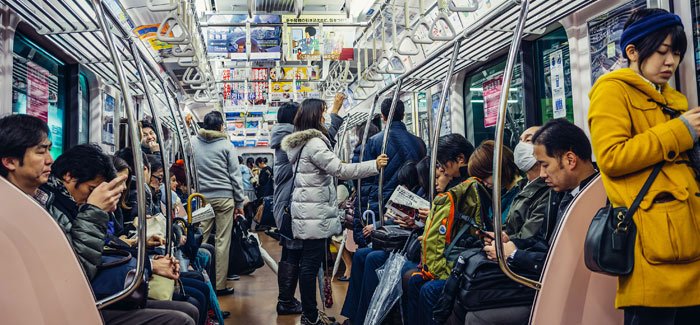
Studying abroad can feel like going back in time to your childhood again. As an international student arriving in Tokyo, you’ll soon realize how much you need to relearn. Forget everything you think you know, as even things like reading food labels or taking the train will be a new challenge, at least in the beginning.
However, it’s these small, unexpected differences that make adjusting to a new way of life so rewarding - not to mention, the great stories you’ll be able to tell your friends back home afterwards.
If you’re intrigued by the idea of studying in Tokyo, Japan, here are some culture shocks and exciting differences you can expect to discover.
Buying food will be a process of trial-and-error to start with
You may think you’re a well-seasoned traveler of the world, but trying to read a food label in a Japanese supermarket aisle will quickly dispel that delusion for you. Deciphering kanji (Japanese characters) is challenging but not impossible with some practice. If you’re allergic to something, definitely carry a piece of paper in your wallet with the name of the allergen in kanji and its phonetic pronunciation.
Reading Japanese will get easier with time, but you may want to print out this vocabulary chart to help you in the first few months when you travel around Japan.
Fortunately, Tokyo is a very international destination, so it’s very common to see signboards written in English, and while not all store clerks speak English, they are generally very helpful and will try their best to attend your needs.
You’ll love the old and new Tokyo
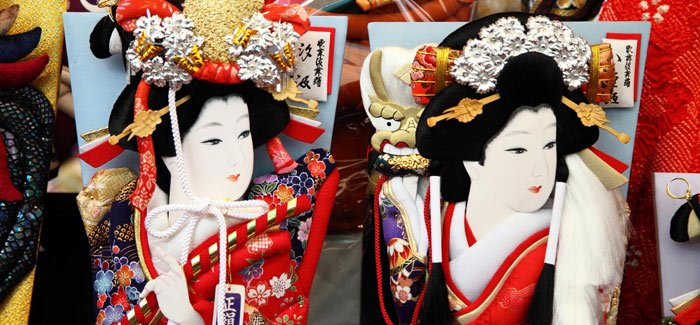
Hagoita-Ichi fair at Sensō-ji Temple
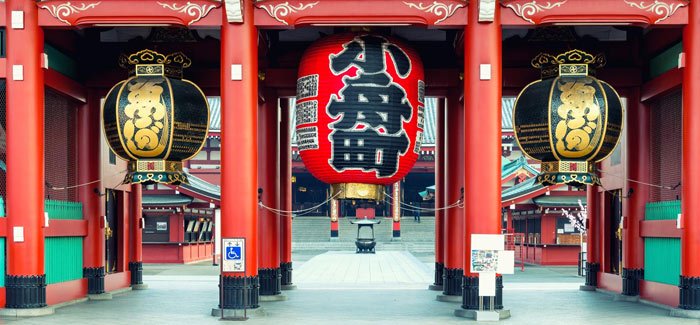
Sensō-ji Temple
Tokyo is often thought of as a really slick and modern place, but it’s also a city of contrasts. Asakusa, for instance, is the capital’s oldest geisha district and has a very traditional atmosphere. It’s home to many old theater houses and ryokans, traditional Japanese inns with sliding rice paper screens and tatami mats.
It’s also home to Sensō-ji, Tokyo’s oldest Buddhist Temple which dates from the seventh century. It’s the world’s most frequently visited spiritual site in the world with over 30 million visitors a year.
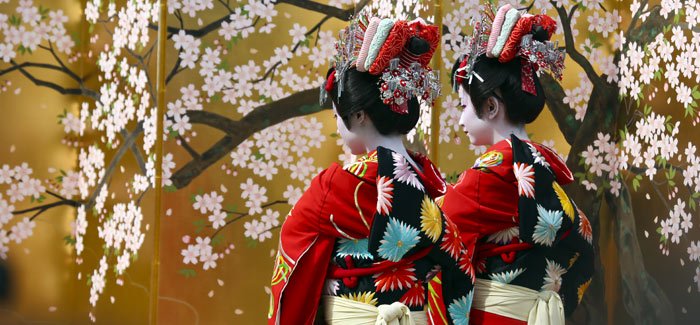
Geishas
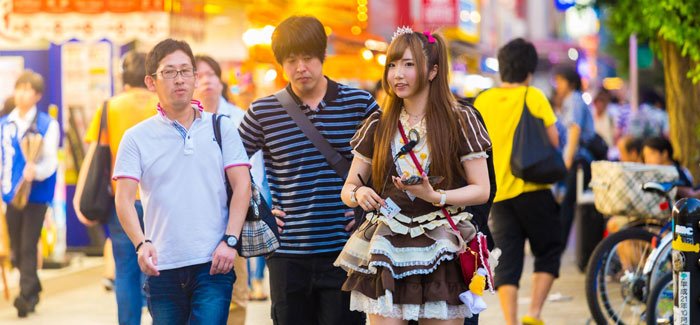
The complete opposite of Asakusa is Tokyo’s uber-cool Harajuku district, which is known around the world for being the center of Japanese subculture. Here, you’ll find plenty of indie shops and young people making very courageous sartorial choices.
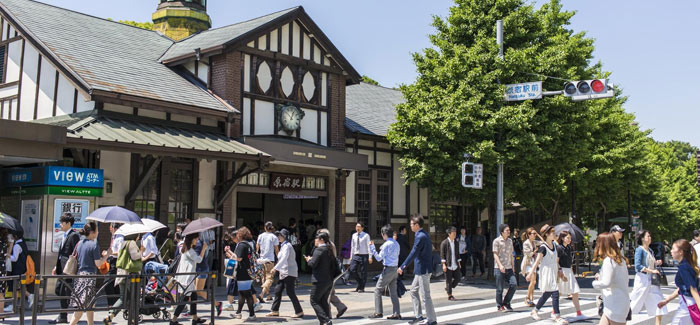
Harajuku Station








Get closer to your dream programme
Your consent preferences have been set.
Time to start exploring.
Your account has been removed.
You can still browse the site or sign up again once you have parental consent.
Get closer to your dream programme