





Myths, legends and folklore tales – they all seem too far-removed from this fast-paced, metropolitan age we live in. Nevertheless, both the ancient Greeks and the Romans were certainly unmatched in their abilities to create extraordinary tales which continue to stand the test of time.
But which classical myths are most relevant to today’s world? Let’s delve into these fascinating classical myths to find out. And if you’re fascinated by classics and want to study it at university level, you can view the latest ranking for this subject here.
The myth of Phaethon can explain global warming
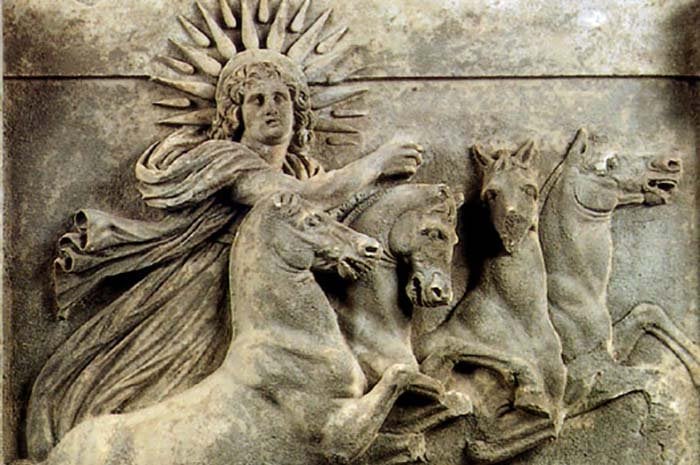
The narrative of this particular myth stands out more than any other when it comes to our most perilous modern issue: climate change and global warming. The myth of Phaeton, son of the god Helios, seems like an eerie prophecy of our current climate crisis, and bears a striking resemblance to reality.
The story goes that Phaeton, who had lived with his mother, swore to prove to his peers that his father was Helios, by driving the sun chariot across the sky – an act that even the gods were uncapable of. Helios decided to meet his father for the first time, who was so delighted to see him he promised to grant him his first wish. Phaeton didn’t hold back from demanding he be given the chance to drive the sun chariot across the sky for a day – a request his father scorned at first, but against his son’s stagnant stubbornness, eventually fulfilled anyway.
He advised him against all the risks and dangers, and most importantly, to never use the whip. Blinded by excessive pride and quick hold of the reins, Phaeton disobeyed his father, and used the whip anyway. This caused the horses to go wild, and he eventually lost control of the sun chariot, which inevitably caused havoc in the sky and the earth.
Ultimately, when news of Phaeton’s misdemeanor reached Helios’ brother Zeus, he angrily struck a lightning bolt into the sky, which hit Phaeton in the chest and sent him hurling down towards Earth and into the river Eridanus. The gods have managed to spare the earth from further disaster, and the planet’s slow road towards recovery had begun…so they said.
Some philosophers and theologians argue that today, just like Phaethon, humans have deluded themselves into believing that they're able to take advantage of their free will and control the 'reins' of nature, even if it means polluting the earth to such a point of destruction.









Get closer to your dream programme
Your consent preferences have been set.
Time to start exploring.
Your account has been removed.
You can still browse the site or sign up again once you have parental consent.
Get closer to your dream programme