





16Undergrad & Postgrad Programmes


About Fakeeh College for Medical Sciences
About Fakeeh College for Medical Sciences
Brochures
Available programmes

University information
Student life
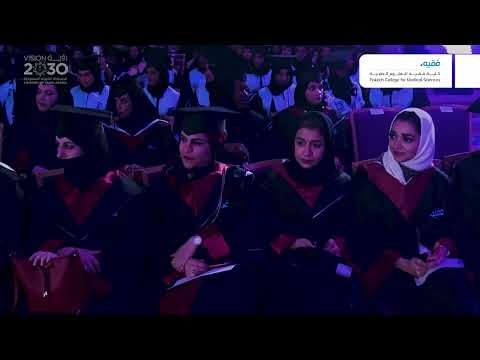
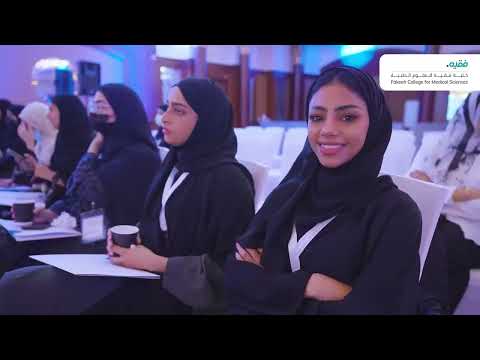
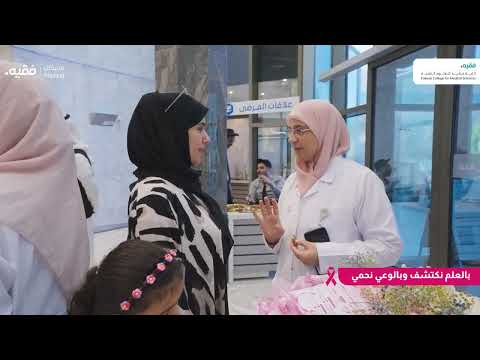
The College has established a multifaceted guidance system designed to support students throughout their academic and professional journeys: a) Academic Advising: The Student Academic Advising and Support Unit (SAASU) is responsible for ensuring the effectiveness of student academic advising and support to achieve optimal student retention, academic performance, achievement, and personal growth. Academic advisors act as facilitators in an interactive partnership to enhance students' academic performance, self-awareness, and achievement of Learning Outcomes. During orientation, the students are introduced to the academic advising and support available and its importance in academic and non-academic student affairs. The assigned advisor will continue to follow up on the student's progress until graduation, ensuring continuity of the process. b) Workshop and seminars: The College organizes workshops aimed at enhancing students’ skills. For example, workshops on time management, study techniques, and effective note-taking strategies help students develop essential skills for their academic success. c) Peer mentoring activities: FCMS has implemented peer mentoring activities where upper-level students mentor first-year students. Such activities not only facilitate academic guidance but also help new students acclimate to the College culture, fostering a sense of community. d) Counseling services: FCMS prioritizes mental health and personal development through comprehensive counseling services tailored to meet the diverse needs of students. Students who need support (e.g., academic, financial, health, psychological, or social) are referred to the corresponding team and receive ongoing follow-up from their academic advisor. Psychological or social support is provided in total confidentiality by qualified faculty staff in psychiatric or mental health specialties, with the option to refer cases to consultants at Dr. Soliman Fakeeh Hospital (DSFH). e) Crisis intervention services: The College offers help for crisis intervention, ensuring that students in urgent need of support can access immediate help at DSFH. f) Orientation services: At FCMS, the orientation process is designed to help new students acclimate to the academic environment and campus life, fostering a sense of belonging and communityIn addition, Extracurricular activities (ECAs) support various facets of personality development for students, including- emotional, physical, spiritual, and moral development, and complement curricular activities.
Cost of Living
Accommodation
Food
Transport
Utilities
Tuition fees
Scholarships
Selecting the right scholarship can be a daunting process. With countless options available, students often find themselves overwhelmed and confused. The decision can be especially stressful for those facing financial constraints or pursuing specific academic or career goals.
To help students navigate this challenging process, we recommend the following articles:

How to get a full scholarship
Looking for a fully-funded scholarship to see you into university? Find out how to boost your chances of getting one.


Scholarships to study abroad
Find scholarships to study abroad with our lists of international scholarships – categorized by country, by subject, and by type of student.


Scholarship Applications: Frequently Asked Questions
Get answers to all your questions about scholarship applications, including tips on how to find scholarships and chances of success.

Employability
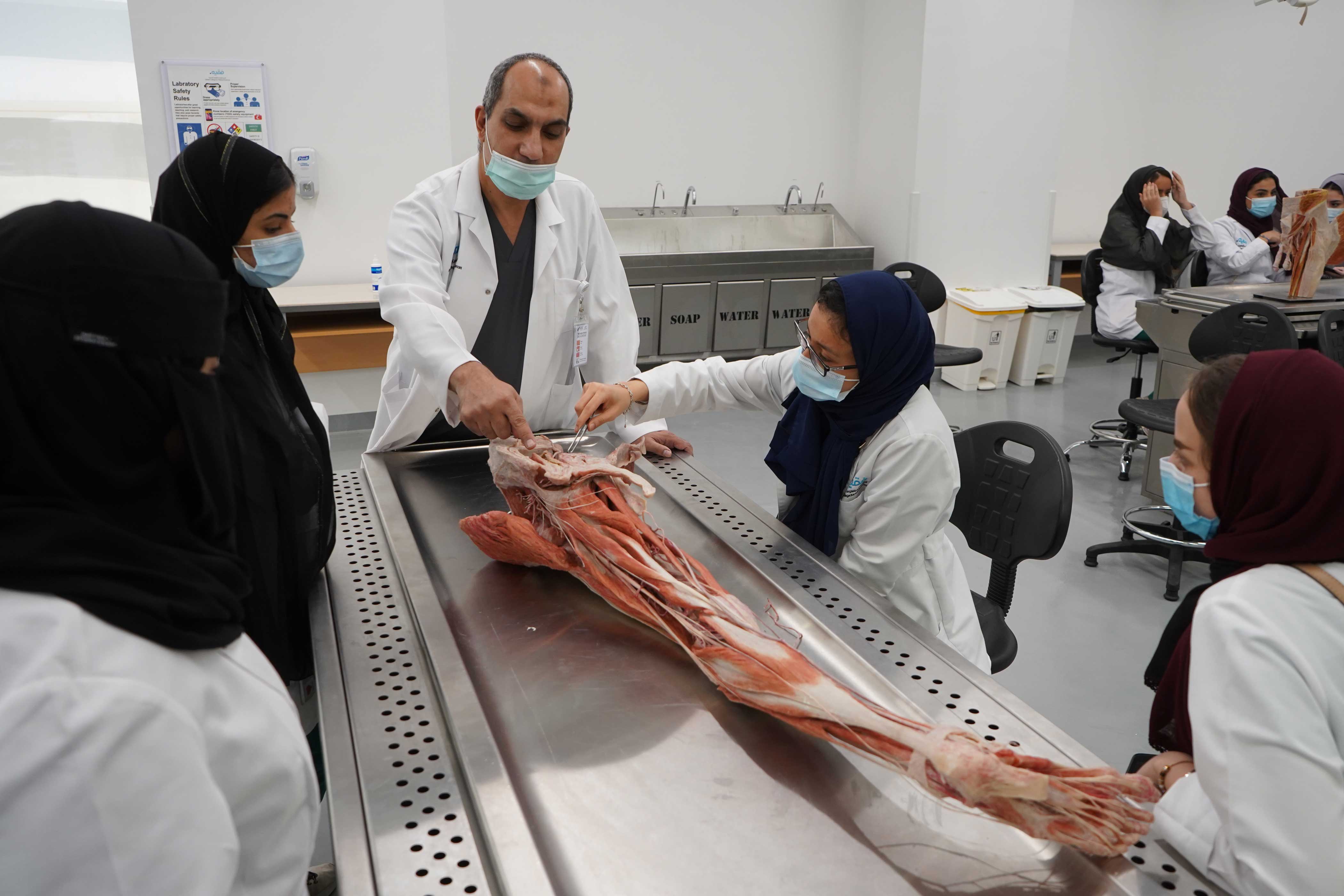
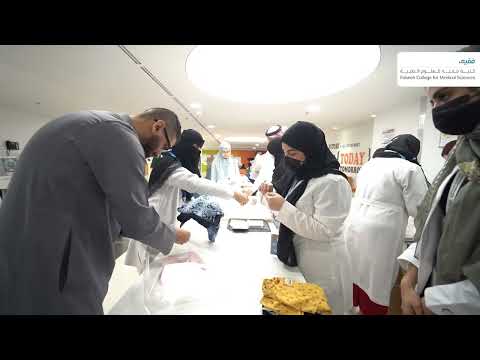
Supervising and assessing students in the field are conducted at different levels in accordance with policies and procedures. Firstly, preceptors and clinical instructors who have direct contact with trainees on a daily basis are responsible for checking daily attendance and dress code, guiding and supervising trainees in performing all the procedures listed and documented in the clinical portfolio, following trainees’ progress over time, and assessing their performance using preset evaluation criteria and rubrics. Secondly, clinical supervisors, who are assigned from the College side as teaching assistants and clinical staff, are responsible for following trainees' personal and professional development by discussing reflections and personal development plan documents in trainees’ portfolios, providing them feedback on their performance, and ensuring trainees’ achievement of various competencies. They also share in the evaluation and assessment of trainees’ performance by conducting the overall evaluation. Internship coordinators are assigned at the College and hospital levels; they cooperate to ensure symbiosis between the educational campus and different training placements. All members involved in field training undergo an orientation program where they identify the general outcomes of training, principles and methods of clinical training, workplace-based assessment, and the rubrics used for evaluation, such as Mini Clinical Evaluation Exercise (Mini CEX), DOPS, and Case-Based Discussion. They also have training on providing constructive feedback, reflection, and developing a Personal/ Professional Development Plan (PDP).














Campus locations

open the map
Frequently Asked Questions
• Bachelor of Medicine and Bachelor of Surgery Program (MBBS) • BSc Doctor of Pharmacy Program (PharmD) • BSc Nursing Program (BSN) • BSc Medical Laboratory Science Program (MLS) • BSc Respiratory Care (RC)
Get closer to your dream programme
Your consent preferences have been set.
Time to start exploring.
Your account has been removed.
You can still browse the site or sign up again once you have parental consent.
Get closer to your dream programme