Your input will help us improve your experience.You can close this popup to continue using the website or choose an option below to register in or login.
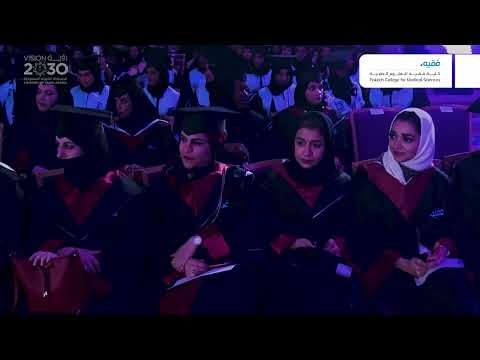
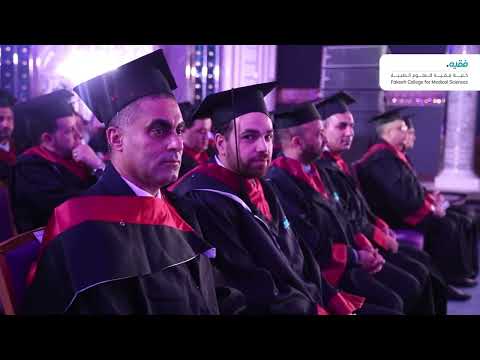
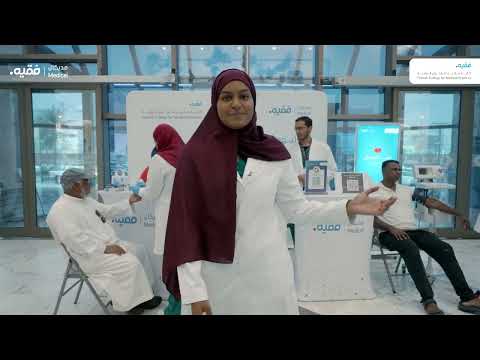
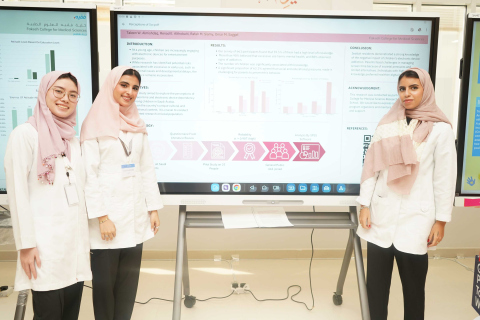
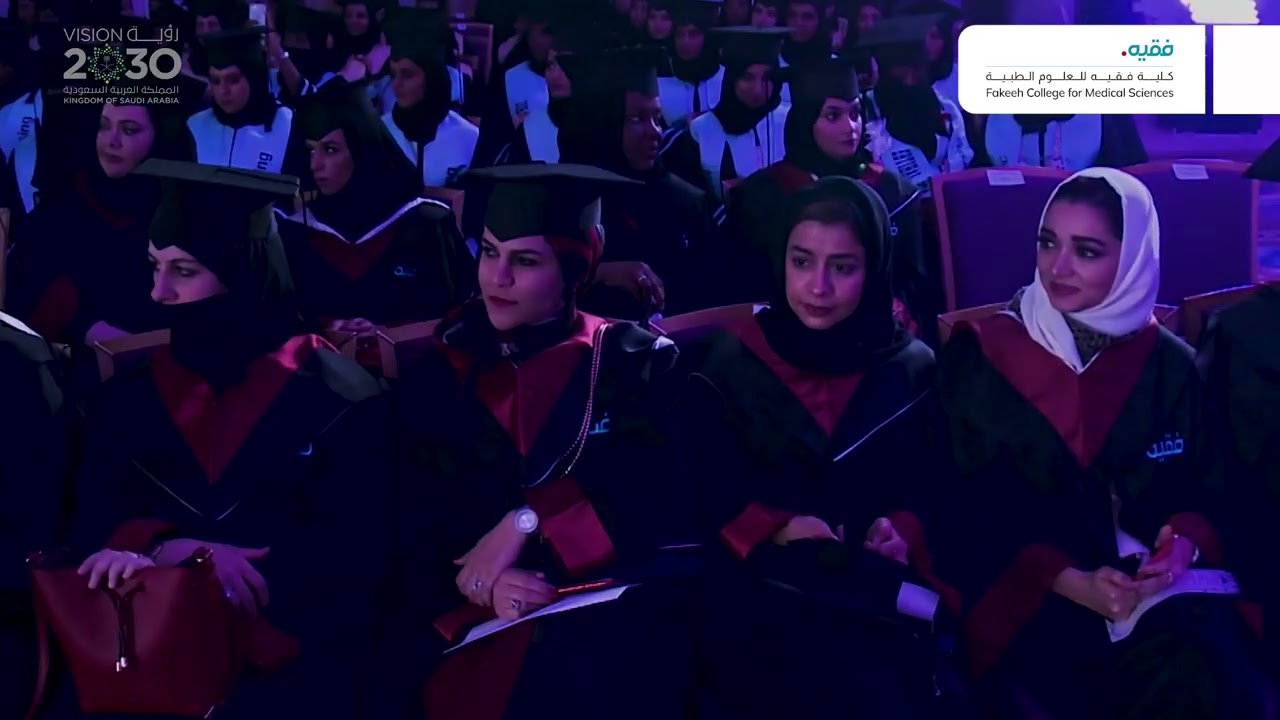
Fakeeh College for Medical Sciences (FCMS), established in 2003 in Jeddah, Kingdom of Saudi Arabia, is a premier private higher education institution under the distinguished Fakeeh Care Group. Rooted in excellence, compassion, and innovation, FCMS is dedicated to advancing health sciences education, transformative research, and community service, preparing future healthcare professionals who make meaningful contributions to national health priorities and global medical progress. FCMS expanded strategically from a Bachelor of Science in Nursing (BSN) program to a multidisciplinary college. It now offers undergraduate and postgraduate degrees in fields such as Medicine (MBBS), Doctor of Pharmacy (PharmD), Medical Laboratory Sciences (MLS), Respiratory Care, Nursing, and Medical Education. The College also offers joint-supervision doctoral programs in partnership with world-renowned universities such as the Royal College of Surgeons in Ireland and the University of Dundee, UK, fostering global academic partnerships and research collaboration. FCMS is institutionally accredited by the National Center for Academic Accreditation and Evaluation (NCAAA) and adheres to international standards of educational quality and governance. The College integrates advanced, learner-centered teaching strategies, including Team-Based Learning (TBL), Problem-Based Learning (PBL), and Simulation-Based Learning (SBL), and is supported by a state-of-the-art Clinical Skills and Simulation Center designed to enhance practical competencies and clinical decision making. A defining distinction of FCMS is its deep integration with Dr. Soliman Fakeeh Hospital (DSFH), Jeddah, an integral part of FCMS and the College's primary clinical practice arm and principal teaching hospital. As part of the Fakeeh Care Group, DSFH is a tertiary care facility serving over 5,000 patients daily, enabling students with hands-on experience across 40 medical and surgical specialties. Internationally accredited by the Joint Commission International (JCI) and Magnet Recognition by the American Nurses Credentialing Center (ANCC), DSFH stands as Saudi Arabia’s largest private-sector training hospital, currently hosting 157 residents and fellows across multiple disciplines. FCMS demonstrates exceptional research excellence by hosting endowed scientific chairs in Diabetes Research, Substance Use Addiction, and Rehabilitation. Its multidisciplinary research initiatives target major societal issues such as diabetes, chronic disease prevention, rehabilitation, and evidence-based medical education. These efforts regularly yield influential scholarly publications that drive real-world societal progress. Aligned with Saudi Vision 2030 and the United Nations Sustainable Development Goals (UN SDGs), FCMS integrates research, innovation, and sustainability into its institutional strategy. As FCMS enters its Fourth Strategic Plan (2026–2030), it embarks on a transformative journey toward becoming Fakeeh University and continues to strengthen its role as a national model for medical education and research, driving meaningful impact across healthcare, academia, and society.
About Fakeeh College for Medical Sciences
Fakeeh College for Medical Sciences (FCMS), established in 2003 in Jeddah, Kingdom of Saudi Arabia, is a premier private higher education institution under the distinguished Fakeeh Care Group. Rooted in excellence, compassion, and innovation, FCMS is dedicated to advancing health sciences education, transformative research, and community service, preparing future healthcare professionals who make meaningful contributions to national health priorities and global medical progress. FCMS expanded strategically from a Bachelor of Science in Nursing (BSN) program to a multidisciplinary college. It now offers undergraduate and postgraduate degrees in fields such as Medicine (MBBS), Doctor of Pharmacy (PharmD), Medical Laboratory Sciences (MLS), Respiratory Care, Nursing, and Medical Education. The College also offers joint-supervision doctoral programs in partnership with world-renowned universities such as the Royal College of Surgeons in Ireland and the University of Dundee, UK, fostering global academic partnerships and research collaboration. FCMS is institutionally accredited by the National Center for Academic Accreditation and Evaluation (NCAAA) and adheres to international standards of educational quality and governance. The College integrates advanced, learner-centered teaching strategies, including Team-Based Learning (TBL), Problem-Based Learning (PBL), and Simulation-Based Learning (SBL), and is supported by a state-of-the-art Clinical Skills and Simulation Center designed to enhance practical competencies and clinical decision making. A defining distinction of FCMS is its deep integration with Dr. Soliman Fakeeh Hospital (DSFH), Jeddah, an integral part of FCMS and the College's primary clinical practice arm and principal teaching hospital. As part of the Fakeeh Care Group, DSFH is a tertiary care facility serving over 5,000 patients daily, enabling students with hands-on experience across 40 medical and surgical specialties. Internationally accredited by the Joint Commission International (JCI) and Magnet Recognition by the American Nurses Credentialing Center (ANCC), DSFH stands as Saudi Arabia’s largest private-sector training hospital, currently hosting 157 residents and fellows across multiple disciplines. FCMS demonstrates exceptional research excellence by hosting endowed scientific chairs in Diabetes Research, Substance Use Addiction, and Rehabilitation. Its multidisciplinary research initiatives target major societal issues such as diabetes, chronic disease prevention, rehabilitation, and evidence-based medical education. These efforts regularly yield influential scholarly publications that drive real-world societal progress. Aligned with Saudi Vision 2030 and the United Nations Sustainable Development Goals (UN SDGs), FCMS integrates research, innovation, and sustainability into its institutional strategy. As FCMS enters its Fourth Strategic Plan (2026–2030), it embarks on a transformative journey toward becoming Fakeeh University and continues to strengthen its role as a national model for medical education and research, driving meaningful impact across healthcare, academia, and society.
FCMS is a private University College and is committed to maintaining high standards in its admission processes. FCMS publishes the criteria for admission in advance of the admission period on the College website, social media, brochures, and official platforms in both Arabic and English. In addition, the College has published detailed Student Handbooks for all of its programs in both Arabic and English, outlining all policies and procedures, rights, and responsibilities of students together with the available services offered by the College.
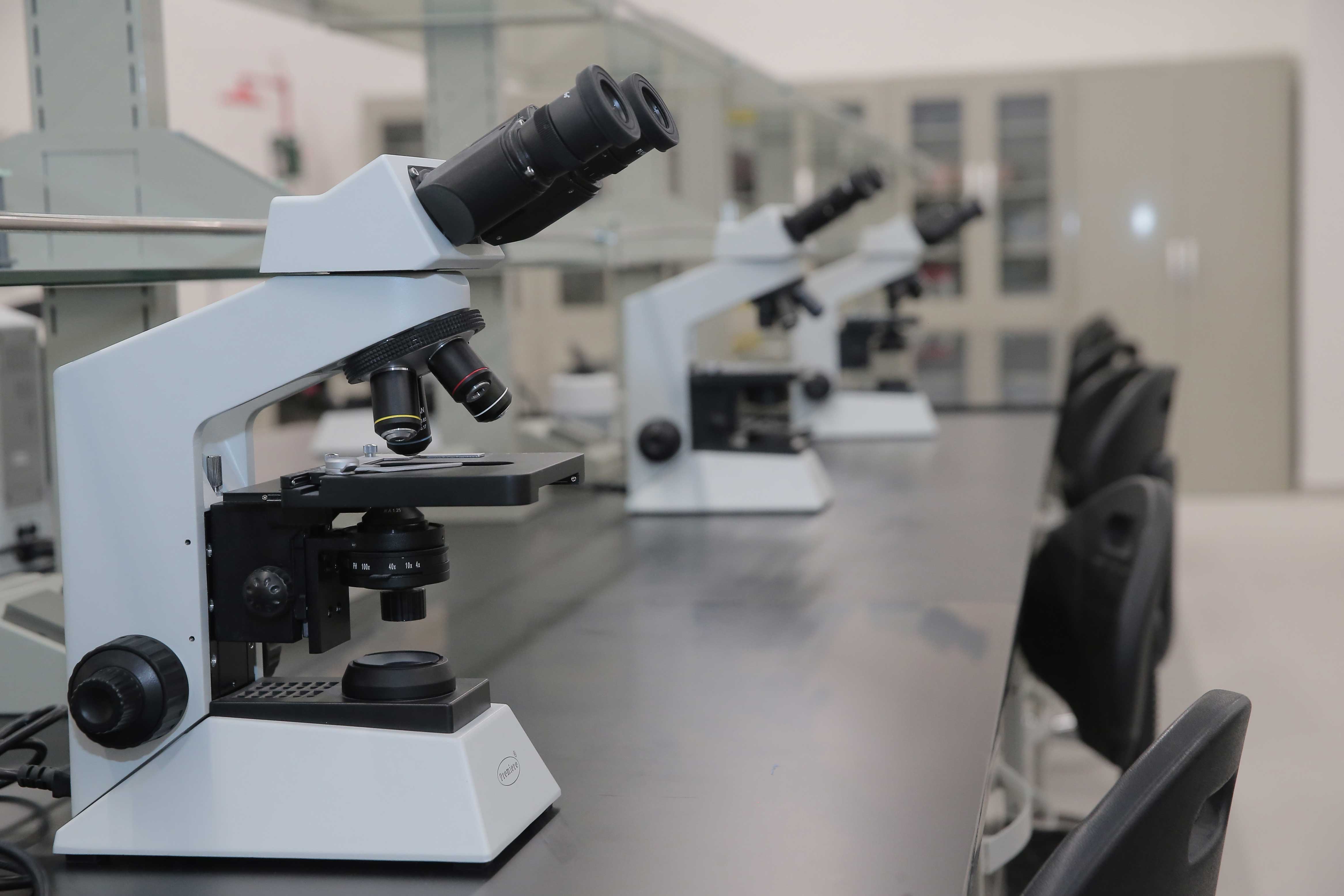
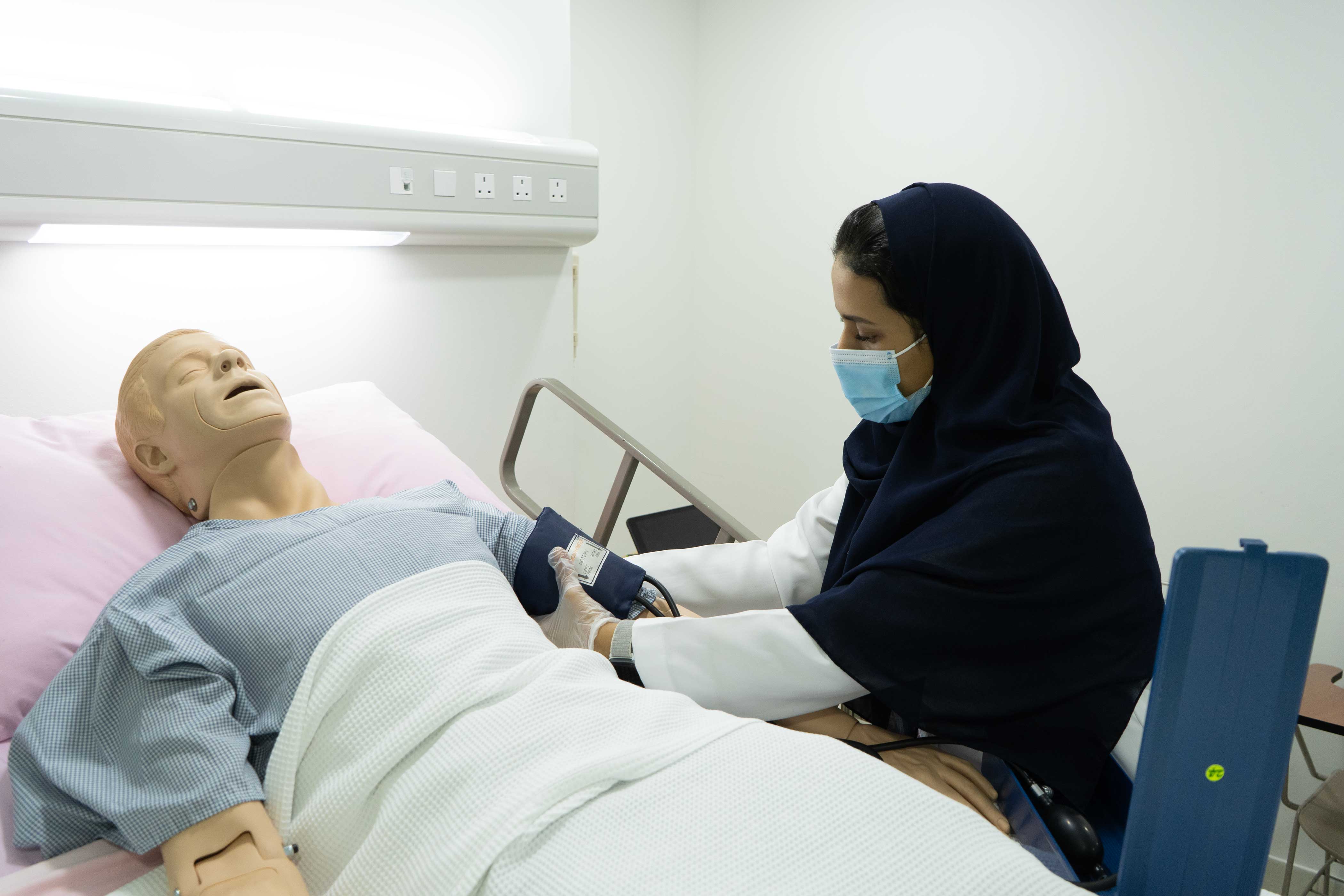
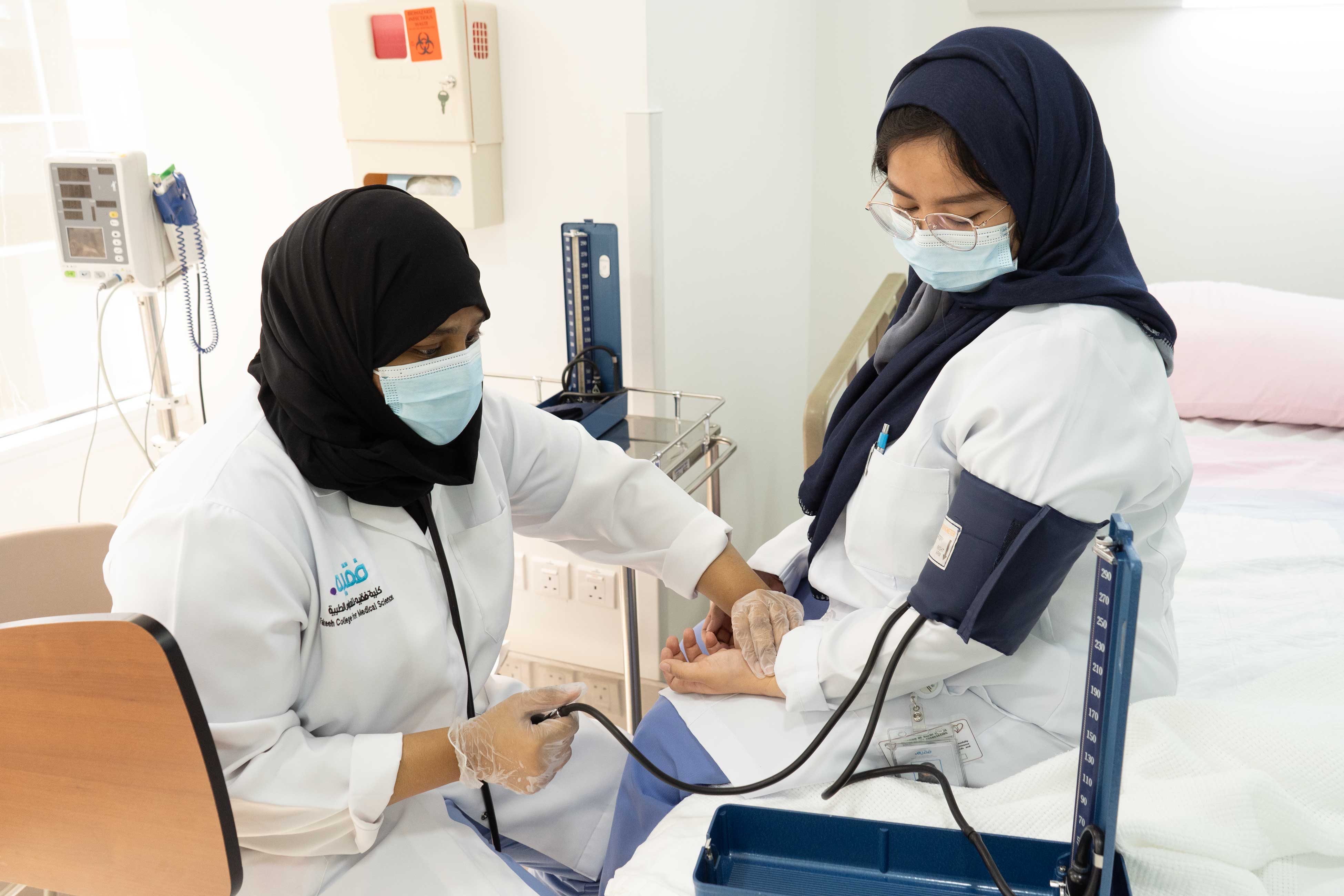
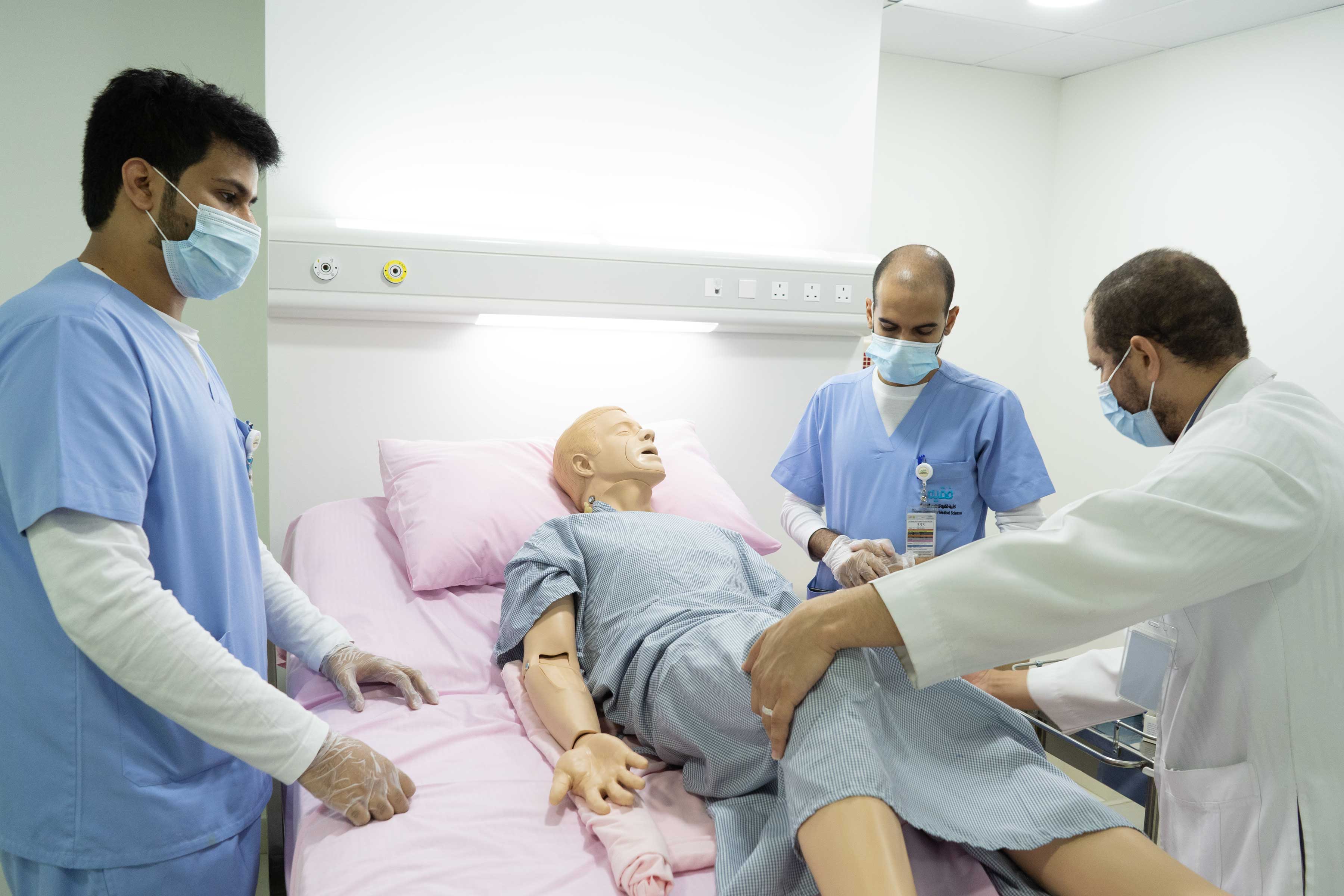
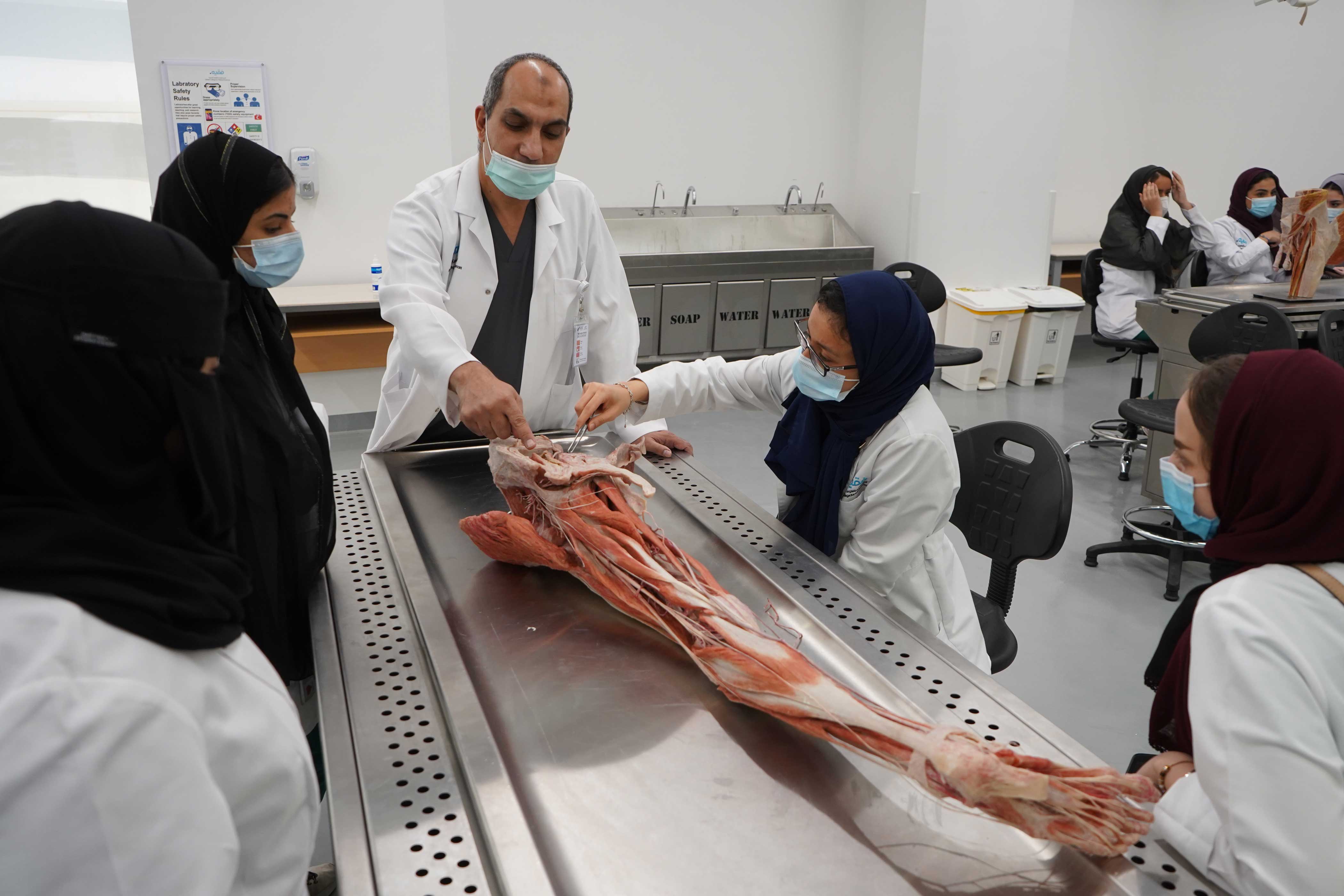
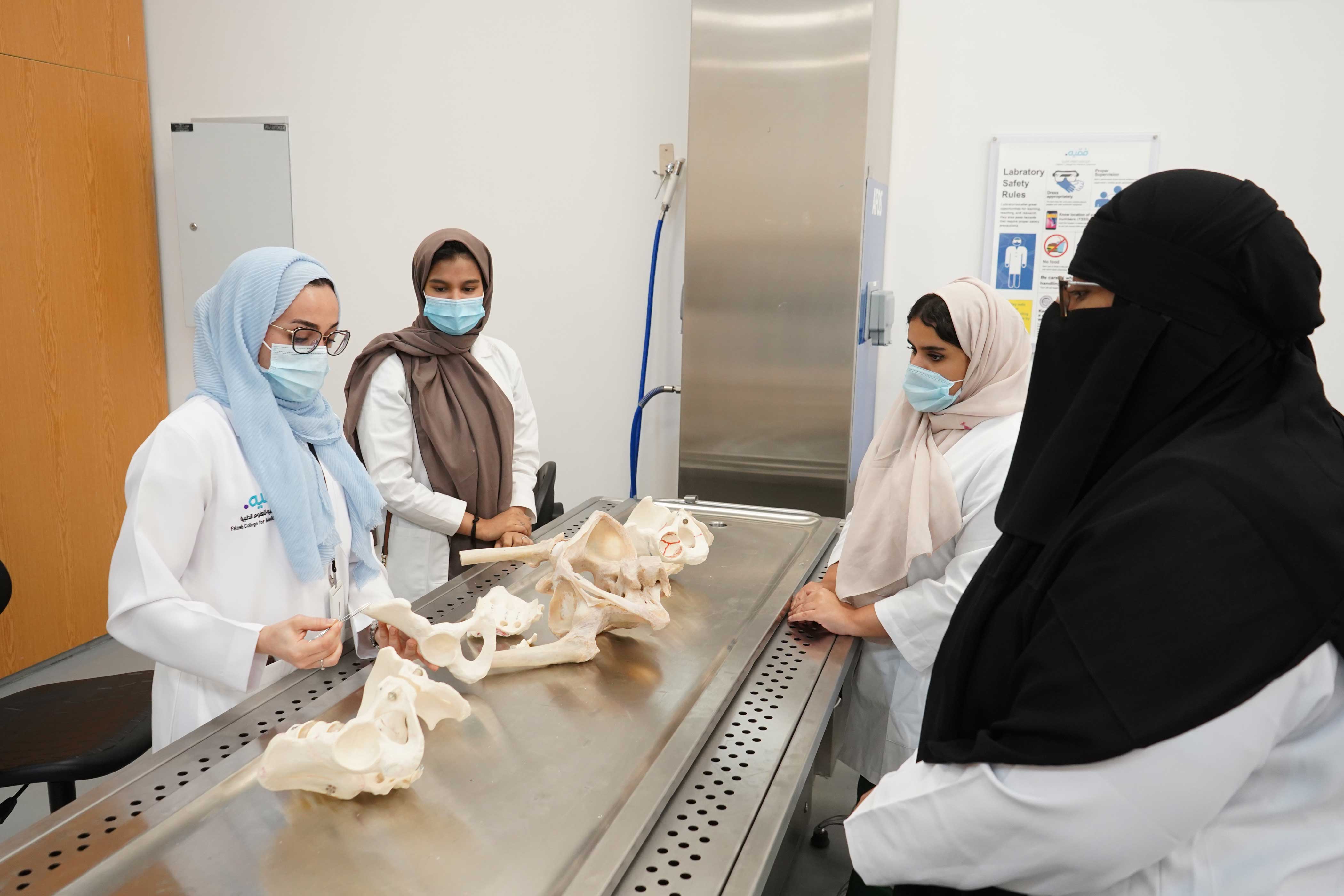
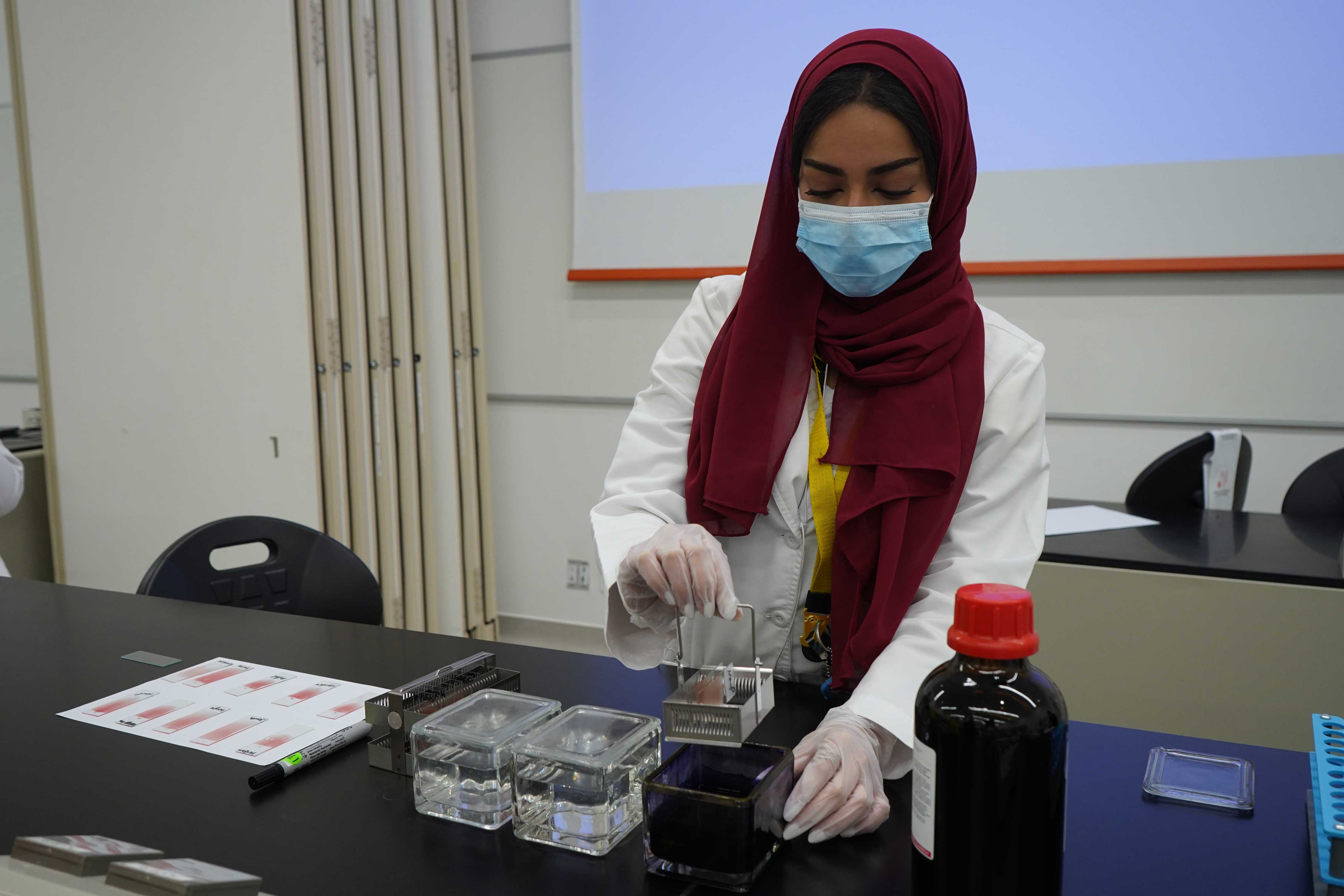
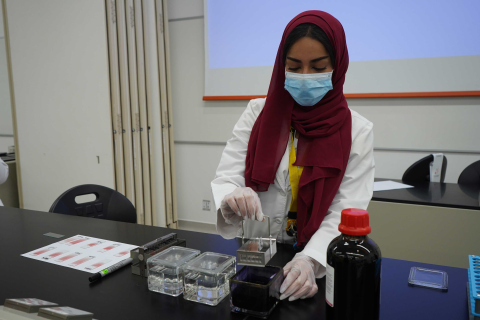
The following sections provide a brief description of the technological infrastructure, facilities and equipment available to students and staff to support the teaching and learning process at FCMS: a) Classrooms and other learning areas: The classrooms are fully equipped with state-of-the-art technology, including LCD projectors, laptops, interactive whiteboards, and advanced sound systems with centralized control. Each classroom is designed to accommodate 20-50 students, providing an optimal learning environment. b) The Team-Based Learning (TBL) Studios: These facilities are located on the 2nd floor of Building 3 and are divided into 2 sections, A and B. Each section contains 7 workshop-style tables that seat 5 students. The tables are equipped with built-in microphones for use during sessions and have their own monitors, in addition to the main monitor, for a better view of the presentation. c) Auditoria: There are six auditoria located in Buildings 2 and 3. These auditoria are designed to accommodate more than 100 students and are equipped with state-of-the-art technology. d) Small Group Discussion (SGD) rooms: SGDs are located on the 2nd and 3rd floors in Building 3, accommodate 8-12 students per room, and include LCD screens and whiteboards for use during discussions, conferences, and case presentations. e) English and IT laboratories: English and IT laboratories are located on the 2nd and 3rd floors of Building 3. Each laboratory contains 18 cubicles and computers for instructional discussions and activities during teaching sessions. f) Multi-Purpose Laboratories (MPLs): MPLs are well-furnished, in accordance with laboratory safety protocols, and are located on each floor of Building 3, from the 1st to the 5th floors, with sufficient equipment, instruments, consumables, and materials to accommodate all students during every session. Each MPL is designed to accommodate two groups of 32 students and is equipped with high-technology equipment, including LCD projectors, widescreens, laptops, whiteboards, smart boards, and high-technology sound systems, with centralized control systems. g) Clinical Skills Laboratories (CSLs): CSLs are located on the 1st floor of Building 3 and are divided into three laboratories, including the Maternity, Pediatric and the Medical-Surgical CSL. h) Clinical Skills Simulation Centre (CSSC): The CSSC is located in Building 10 on campus. The CSSC plays a significant role in helping students acquire clinical skills. i) Library facilities: The College campus features a female library on the 6th floor of Building 3 and a male library on the 3rd floor. Both libraries are well-equipped with resources, including 28 computer stations and available printer facilities, ensuring that all students have access to the tools they need for their academic success. j) Digital Library Databases (DLDs): FCMS's subscription to the DLDs enables faculty, staff, and students to access the latest textbooks and journals. Students can access the DLDs both on and off campus. k) Blackboard: FCMS has subscribed to Blackboard (an international virtual learning environment and course management system) to support the teaching and learning environment, help students, and promote independence. L) PeopleSoft: The PeopleSoft Campus Solution offers a robust set of modules that effectively streamline the central administration of students, faculty members, staff, and personnel. m) Speedwell eSystem: FCMS acquired the Speedwell e-System in January 2021. This integrated assessment system can create, administer, run, analyze, and report on exams. n) TeamWork Software: At FCMS, the data management system for strategic and operational plans, academic departments and administrative unit follow-ups, FCMS committees’ activities, and KPIs monitoring is built on the Teamwork platform to support the institution's overarching goals and day-to-day activities effectively. o) Oracle EBS: Oracle E-Business Suite (EBS) is a comprehensive suite of integrated business applications designed to help organizations manage FCMS’ operations efficiently p) FCMS Website: The website (https://www.fakeehcollege.edu.sa/) has been recently updated to provide detailed information on programs, admissions, and student life. The College website provides easy access for stakeholders to IT systems, including: FCMS email, Oracle EBS, PeopleSoft, Blackboard, DLDs, DSFH, the FCMS e-ticketing system (IT Help Desk), the e-OVR system, Teamwork projects, and the AMBOOS medical knowledge platform. q) Staff Personal Computers: Faculty and administrative staff are equipped with computers that provide unlimited access to high-speed internet and essential support facilities, such as printers and scanners. r) Free Wi-Fi access: Free Wi-Fi is available throughout the FCMS campus. The College provides complimentary Wi-Fi for its stakeholders. FCMS students are connected to STC at 200 MB/s, while the FCMS exam line is connected to Mobily at 500 MB/s. s) Special needs and disabilities: The College provides adequate facilities and equipment for students with special needs and disabilities, which fosters inclusivity and accessibility within the College community guided by policies and procedures. The campus facilities are optimized by incorporating elevators and wheelchair ramps, installing vertical mobility lifts, and providing accessible restrooms. The connecting bridges between the college campus and the hospital facilitate easy access to the clinical facilities. There are designated parking spaces expressly indicated for individuals with physical disabilities t) Sports Facilities: The College promotes physical well-being and active lifestyles by offering various sports facilities. One of the main facilities is located on the 6th floor, specifically designed to host different sporting activities, including basketball, volleyball, tennis, Zumba classes, and other sports sessions. The entire area is also equipped with seating benches to accommodate many students who come to support and encourage their peers. u) Prayer Facilities: FCMS accommodates the spiritual needs of its diverse community by providing prayer rooms and dedicated spaces for prayer. These facilities are designed to be inclusive and accessible to students, faculty, and staff of various religious backgrounds. v) Food Services: The College ensures access to food services that cater to dietary preferences and cultural diversity. These include cafeterias, dining spaces, and vending machines offering various options, including healthy food choices at a reasonable price. w) Rest Areas: The College recognizes the significance of rest and relaxation for overall well-being. It offers comfortable, designated rest areas where students, faculty, and staff can take breaks between classes or during work hours.
Student life
The College has established a multifaceted guidance system designed to support students throughout their academic and professional journeys: a) Academic Advising: The Student Academic Advising and Support Unit (SAASU) is responsible for ensuring the effectiveness of student academic advising and support to achieve optimal student retention, academic performance, achievement, and personal growth. Academic advisors act as facilitators in an interactive partnership to enhance students' academic performance, self-awareness, and achievement of Learning Outcomes. During orientation, the students are introduced to the academic advising and support available and its importance in academic and non-academic student affairs. The assigned advisor will continue to follow up on the student's progress until graduation, ensuring continuity of the process. b) Workshop and seminars: The College organizes workshops aimed at enhancing students’ skills. For example, workshops on time management, study techniques, and effective note-taking strategies help students develop essential skills for their academic success. c) Peer mentoring activities: FCMS has implemented peer mentoring activities where upper-level students mentor first-year students. Such activities not only facilitate academic guidance but also help new students acclimate to the College culture, fostering a sense of community. d) Counseling services: FCMS prioritizes mental health and personal development through comprehensive counseling services tailored to meet the diverse needs of students. Students who need support (e.g., academic, financial, health, psychological, or social) are referred to the corresponding team and receive ongoing follow-up from their academic advisor. Psychological or social support is provided in total confidentiality by qualified faculty staff in psychiatric or mental health specialties, with the option to refer cases to consultants at Dr. Soliman Fakeeh Hospital (DSFH). e) Crisis intervention services: The College offers help for crisis intervention, ensuring that students in urgent need of support can access immediate help at DSFH. f) Orientation services: At FCMS, the orientation process is designed to help new students acclimate to the academic environment and campus life, fostering a sense of belonging and community In addition, Extracurricular activities (ECAs) support various facets of personality development for students, including- emotional, physical, spiritual, and moral development, and complement curricular activities.
Cost of Living
Jeddah presents a moderate and budget-friendly cost of living compared to many large international cities. Housing, food, transportation, and daily costs are quite reasonable, making the city financially accessible for students. Overall, Jeddah offers a good quality of life at an affordable price, supporting student well-being and international mobility.
Accommodation
$2,890
Food
$2,460
Transport
$370
Utilities
$2,520
Tuition fees
FCMS is primarily funded through a diversified mix of revenue sources, including: - Tuition fees paid in cash. - Governmental scholarships (for postgraduate programs only). - Scholarships supported by charity agencies. - Scholarships through the DA’AAM Programs (for nursing and Respiratory Care programs in collaboration with DSFH). - Research grants and scientific chairs funding. - Capital investment from the owners, especially for the expansion of the College and strategic projects. The College strives to diversify its financial support and funding to ensure operational sustainability and efficiency.
Scholarships
Selecting the right scholarship can be a daunting process. With countless options available, students often find themselves overwhelmed and confused. The decision can be especially stressful for those facing financial constraints or pursuing specific academic or career goals.
To help students navigate this challenging process, we recommend the following articles:
Fakeeh College for Medical Sciences (FCMS) prepares graduates for successful careers in diverse healthcare fields, such as Physicians, Nurses, Medical Laboratory specialists, and PharmD graduates, along with postgraduate paths in Nursing and Medical Education. MBBS: Graduates progress from internship training to residency training in hospitals, leading to careers as specialists, consultants, academic physicians, and healthcare leaders. Nursing: Graduates begin as registered nurses in hospitals and healthcare facilities, progressing into specialized clinical roles, supervisory and leadership positions, and, through Master’s programs, advanced practice, education, and management. Medical Laboratory Sciences: Graduates enter careers as medical laboratory specialists, with pathways into specialized diagnostics, quality management, and leadership. PharmD: Graduates pursue careers in hospital and clinical pharmacy, advancing into pharmaceutical services management and healthcare system leadership. Postgraduate Programs (Master’s in Nursing and Medical Education): Graduates advance into academic roles, clinical specialization, leadership, and healthcare quality and training positions.
Internship constitutes an essential part of FCMS programs. Each academic program at FCMS is designed such that, following successful completion of 4 years for BSc-Nursing, BSc–MLS, 5 years for PharmD, and 6 years for the MBBS Program of study, the students are mandated to complete 52 weeks (12 months) of an extensive hospital-based “Internship Program”. FCMS selected several institutions (hospitals and other healthcare facilities) and signed a Letter of Engagement with various external training placement sites to provide students with sufficient field experience. The selection of the training site is guided by policies and procedures. A set of criteria must be met in order to enter with the agreement e.g.; it must be a tertiary hospital with at least 500 beds capacity (private or government), must have specified space for the affiliates, must be accredited by national and international accreditation agencies, must have a qualified preceptor with preceptorship training, must offer services that covers the core concepts of clinical practice of trainees, and must provide hands-on training to the students. Supervising and assessing students in the field are conducted at different levels in accordance with policies and procedures. Firstly, preceptors and clinical instructors who have direct contact with trainees on a daily basis are responsible for checking daily attendance and dress code, guiding and supervising trainees in performing all the procedures listed and documented in the clinical portfolio, following trainees’ progress over time, and assessing their performance using preset evaluation criteria and rubrics. Secondly, clinical supervisors, who are assigned from the College side as teaching assistants and clinical staff, are responsible for following trainees' personal and professional development by discussing reflections and personal development plan documents in trainees’ portfolios, providing them feedback on their performance, and ensuring trainees’ achievement of various competencies. They also share in the evaluation and assessment of trainees’ performance by conducting the overall evaluation. Internship coordinators are assigned at the College and hospital levels; they cooperate to ensure symbiosis between the educational campus and different training placements. All members involved in field training undergo an orientation program where they identify the general outcomes of training, principles and methods of clinical training, workplace-based assessment, and the rubrics used for evaluation, such as Mini Clinical Evaluation Exercise (Mini CEX), DOPS, and Case-Based Discussion. They also have training on providing constructive feedback, reflection, and developing a Personal/ Professional Development Plan (PDP).
DAAM Scholarship Ending with Employment: • BSc Nursing program • BSc Respiratory Care program Khadija Attar Educational Scholarship: • MBBS Program • Bachelor of Doctor of Pharmacy program
No, the student is accepted directly according to the program requirements.
Yes, Fakeeh College for Medical Sciences holds institutional accreditation from the National Center for Academic Accreditation and Evaluation.
• Bachelor of Medicine and Bachelor of Surgery Program (MBBS) • BSc Doctor of Pharmacy Program (PharmD) • BSc Nursing Program (BSN) • BSc Medical Laboratory Science Program (MLS) • BSc Respiratory Care (RC)
• MSc Psychiatric & Mental Health Nursing • Master of Critical Care Nursing Program • Master of Oncology and Palliative Care Nursing Program • MSc in Neonatal Intensive Care Nursing Program • MSc in Women's Health Nursing Program • Master of Community Health Nursing Program • MSc in Nursing Administration • MSc in Medical Education Program • Joint PhD Supervision in Nursing Sciences • Joint PhD Supervision in Medical Sciences • Joint PhD Supervision in Medical Education
Fakeeh College for Medical Sciencesadvancedno20782602
Fakeeh College for Medical Sciences
Fakeeh College for Medical Sciences, Jeddah Saudi Arabia
16Undergrad & Postgrad Programmes
About Fakeeh College for Medical Sciences
Brochures
Available programmes
Life Sciences and Medicine (1)
BSc Respiratory Care
BSc of Medical Laboratory Sciences (MLS)
BSc of Nursing
BSc of Nursing
Bachelor of Medicine and Bachelor of Surgery (MBBS)
Doctor of Pharmacy (PharmD)
Life Sciences and Medicine (1)
MSc Community Health Nursing
MSc Critical Care Nursing
MSc Medical Education
MSc Neonatal Intensive Care Nursing
MSc Nursing Administration
MSc Oncology & Palliative Care Nursing
MSc Psychiatric & Mental Health Nursing
MSc Women's Health Nursing
Life Sciences and Medicine (1)
PhD in Medical Education
PhD in Medical Sciences
PhD in Nursing
PhD in Nursing
University information
Student life
The College has established a multifaceted guidance system designed to support students throughout their academic and professional journeys: a) Academic Advising: The Student Academic Advising and Support Unit (SAASU) is responsible for ensuring the effectiveness of student academic advising and support to achieve optimal student retention, academic performance, achievement, and personal growth. Academic advisors act as facilitators in an interactive partnership to enhance students' academic performance, self-awareness, and achievement of Learning Outcomes. During orientation, the students are introduced to the academic advising and support available and its importance in academic and non-academic student affairs. The assigned advisor will continue to follow up on the student's progress until graduation, ensuring continuity of the process. b) Workshop and seminars: The College organizes workshops aimed at enhancing students’ skills. For example, workshops on time management, study techniques, and effective note-taking strategies help students develop essential skills for their academic success. c) Peer mentoring activities: FCMS has implemented peer mentoring activities where upper-level students mentor first-year students. Such activities not only facilitate academic guidance but also help new students acclimate to the College culture, fostering a sense of community. d) Counseling services: FCMS prioritizes mental health and personal development through comprehensive counseling services tailored to meet the diverse needs of students. Students who need support (e.g., academic, financial, health, psychological, or social) are referred to the corresponding team and receive ongoing follow-up from their academic advisor. Psychological or social support is provided in total confidentiality by qualified faculty staff in psychiatric or mental health specialties, with the option to refer cases to consultants at Dr. Soliman Fakeeh Hospital (DSFH). e) Crisis intervention services: The College offers help for crisis intervention, ensuring that students in urgent need of support can access immediate help at DSFH. f) Orientation services: At FCMS, the orientation process is designed to help new students acclimate to the academic environment and campus life, fostering a sense of belonging and communityIn addition, Extracurricular activities (ECAs) support various facets of personality development for students, including- emotional, physical, spiritual, and moral development, and complement curricular activities.
Cost of Living
Accommodation
Food
Transport
Utilities
Tuition fees
Scholarships
Selecting the right scholarship can be a daunting process. With countless options available, students often find themselves overwhelmed and confused. The decision can be especially stressful for those facing financial constraints or pursuing specific academic or career goals.
To help students navigate this challenging process, we recommend the following articles:

How to get a full scholarship
Looking for a fully-funded scholarship to see you into university? Find out how to boost your chances of getting one.
Scholarships to study abroad
Find scholarships to study abroad with our lists of international scholarships – categorized by country, by subject, and by type of student.
Scholarship Applications: Frequently Asked Questions
Get answers to all your questions about scholarship applications, including tips on how to find scholarships and chances of success.
Employability
Supervising and assessing students in the field are conducted at different levels in accordance with policies and procedures. Firstly, preceptors and clinical instructors who have direct contact with trainees on a daily basis are responsible for checking daily attendance and dress code, guiding and supervising trainees in performing all the procedures listed and documented in the clinical portfolio, following trainees’ progress over time, and assessing their performance using preset evaluation criteria and rubrics. Secondly, clinical supervisors, who are assigned from the College side as teaching assistants and clinical staff, are responsible for following trainees' personal and professional development by discussing reflections and personal development plan documents in trainees’ portfolios, providing them feedback on their performance, and ensuring trainees’ achievement of various competencies. They also share in the evaluation and assessment of trainees’ performance by conducting the overall evaluation. Internship coordinators are assigned at the College and hospital levels; they cooperate to ensure symbiosis between the educational campus and different training placements. All members involved in field training undergo an orientation program where they identify the general outcomes of training, principles and methods of clinical training, workplace-based assessment, and the rubrics used for evaluation, such as Mini Clinical Evaluation Exercise (Mini CEX), DOPS, and Case-Based Discussion. They also have training on providing constructive feedback, reflection, and developing a Personal/ Professional Development Plan (PDP).
Fakeeh College for Medical Sciences
Videos & media
Videos & media
Campus locations

open the map
Frequently Asked Questions
• Bachelor of Medicine and Bachelor of Surgery Program (MBBS) • BSc Doctor of Pharmacy Program (PharmD) • BSc Nursing Program (BSN) • BSc Medical Laboratory Science Program (MLS) • BSc Respiratory Care (RC)