





For those of you who hold a deep admiration for historical artifacts, archaeology and centuries-old sites and ruins, a history degree might just be the option. Some of the best universities for history also embrace the most fascinating heritage and historical enigma.
If you’re the sort of history enthusiast whose academic knowledge and inspiration relies heavily on your surroundings and tangible experiences, read on to delve into these fascinating facts about the top 10 universities for studying history, as ranked in the QS World University Rankings by Subject 2018.
10. The University of Chicago’s Nobel Prizes galore.
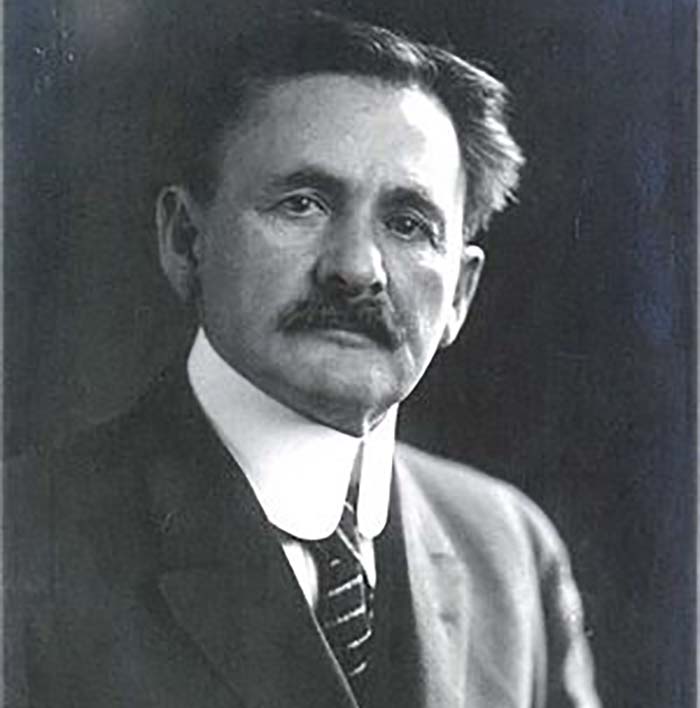
The University of Chicago holds its place at 10th in the history ranking this year. It was founded in 1890 with the aim of providing courses for academics of all backgrounds as well as equal opportunities to both the sexes.
Despite the university’s fairly young existence, it has managed to accumulate a remarkable array of Nobel Prize winners – 89 in total, most of which are from the economics and physics department. One very notable laureate – Albert A. Michelson – was the institution’s first of many, also holding the title of first American to win a Nobel Prize in any of the sciences. He became renowned for his ground-breaking innovations in measuring the speed of light and began a sequence of university faculty, scholars, students and alumni who have achieved the highest international honors in their fields.
9. A Princeton University flag was once planted on the Moon.
Princeton University was founded in 1746 in Elizabeth, New Jersey before it was moved to Princeton in 1756. It ranks ninth among the best universities for history, and has the lowest tuition fees of all the Ivy League schools, with undergraduate fees of $47,140 per year in 2018.
There is no doubt that all the universities on this list claim an impressive history of noteworthy alumni, and Princeton is certainly no exception. For example, famed astronaut and Princeton graduate Charles “Pete” Conrad (from the class of 1953) became the third man to walk on the moon in November of 1969. He was also the first to carry a Princeton flag on its surface and plant it there – talk about alma mater pride!













Get closer to your dream programme
Your consent preferences have been set.
Time to start exploring.
Your account has been removed.
You can still browse the site or sign up again once you have parental consent.
Get closer to your dream programme