





# 267QS World University Rankings

138Undergrad & Postgrad Programmes

60 % International students

3Scholarships


About University of Macau
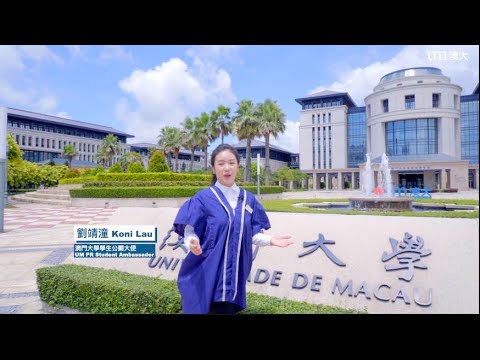
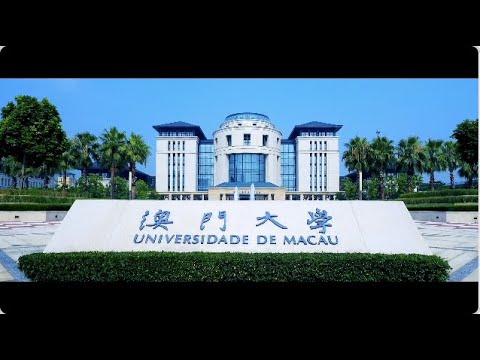
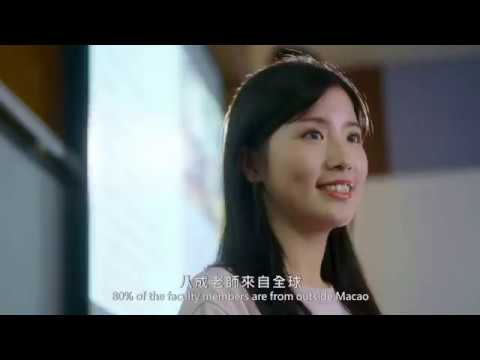
Founded in 1981, the University of Macau (UM) is the only internationalized public comprehensive university in Macao, with a modern governance model. 80% of its faculty members are from outside Macao. With English as the main medium of instruction, the university is committed to producing creative and socially responsible graduates with a global mindset and international competitiveness.
Teaching units at UM include:
- Faculty of Arts and Humanities,
- Faculty of Business Administration,
- Faculty of Education,
- Faculty of Health Sciences,
- Faculty of Law,
- Faculty of Social Sciences,
- Faculty of Science and Technology,
- Honours College,
- Graduate School,
- Centre for Continuing Education.
Research institutes include:
- Institute of Chinese Medical Sciences,
- Institute of Applied Physics and Materials Engineering,
- Institute of Collaborative Innovation,
- Institute of Microelectronics,
- Centre for Macau Studies,
- Asia-Pacific Academy of Economics and Management, and
- Institute of Advanced Studies in Humanities and Social Sciences.
Currently, there are more than 12, 500 students at UM. For undergraduate students, the university provides a unique "4-in-1" education, which consists of discipline-specific education, general education, research and internship education, and community and peer education. Adopting a credit system and a collegiate system, the university offers around 130 degree programmes at bachelor’s, master’s, and doctoral levels, covering a variety of fields, including literature, language, business administration, marketing, accounting, finance, international integrated resort management, science, education, biomedical science, law, history, economics, psychology, sociology, communication, engineering, computer science, and Chinese medical sciences. Many academic programmes at UM have received international accreditations, namely AACSB Accreditation, AMBA Accreditation, the Hong Kong Institution of Engineers (HKIE) Accreditation, etc.
UM is ranked no. 285 in the Quacquarelli Symonds (QS) World University Rankings 2026, where "citations per faculty" is ranked no. 21 and "international faculty ratio" is ranked no. 25 in the World. UM is also ranked no. 102 in QS Asia University Rankings 2026. In addition, UM is ranked in 19 subjects in QS World University Rankings by Subject 2026:
1. Hospitality and Leisure Management #51-100
2. Linguistics #98
3. Sociology #151-200
4. Psychology #201-250
5. English Language & Literature #251-300
6. Education #251-300
7. Pharmacy & Pharmacology #251-300
8. Computer Science and Information Systems #251-300
9. Modern Languages #301-350
10. Engineering - Electrical & Electronic #301-350
11. Arts & Humanities #370
12. Law #351-400
13. Material Science #401-550
14. Social Sciences & Management #401-450
15. Mathematics #451-500
16. Biological Sciences #451-500
17. Medicine #551-600
18. Economics and Econometrics #551-700
19. Business & Management Studies #601-650
In addition, UM is also among the top 1% in Essential Sciences Indicators (ESI) rankings in 16 fields: Engineering, Materials Science, Computer Science, Chemistry, Clinical Medicine, Pharmacology & Toxicology, Psychiatry/Psychology, Social Sciences, General, Biology & Biochemistry, Molecular Biology & Genetics, Agricultural Sciences, Economics & Business, Environment/Ecology, Neuroscience & Behavior, Geosciences, and Mathematics. Among these, Engineering, Computer Science, and Pharmacology & Toxicology are ranked in the top 0.1%.
An International University
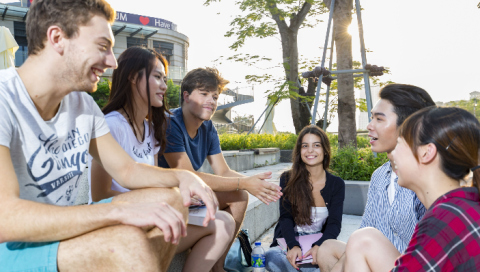
UM is an international university with a multicultural campus. It adopts a modern governance model and recruits faculty members internationally. 80 per cent of its faculty members are from outside Macao. The fact that English is the main medium of instruction at UM has attracted outstanding students from around the world, which in turn has created a vibrant, multicultural campus. The university constantly expands its international network and actively builds new platforms for international collaboration in order to broaden the students’ horizons. It has established collaboration agreements with more than 250 institutions of higher learning in over 30 countries and regions. UM students can choose from over 150 institutions around the world for exchange programmes or overseas studies. The university also provides students with many internship opportunities, both local and overseas, in order to enhance their employability upon graduation.
Cutting-edge Research
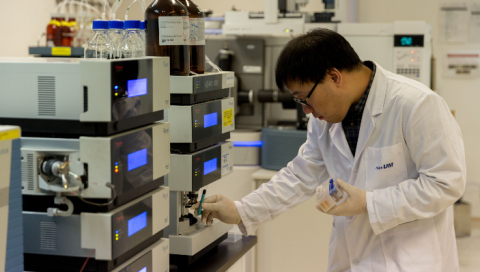
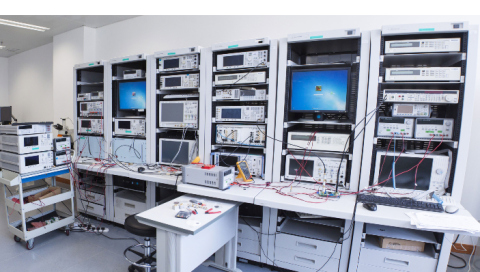
UM adopts a research policy that can be summarised as ‘highlighting characteristics, leveraging strengths, creating peaks, and strengthening cooperation’, with a focus on supporting academic disciplines that reflect Macao’s characteristics, meet the needs of Macao and the country, and are in line with international trends. UM has established a strategic ‘3+3+3+3’ research blueprint, with the four ‘3s’ referring to three state key laboratories (State Key Laboratory of Quality Research in Chinese Medicine, State Key Laboratory of Analog and Mixed-Signal VLSI, and State Key Laboratory of Internet of Things for Smart City), three emerging research fields (precision medicine, advanced materials, and regional oceanology), three interdisciplinary research fields (cognitive and brain sciences, data science, artificial intelligence and robotics), and three research platforms for the humanities and social sciences (Institute of Advanced Studies in Humanities and Social Sciences, Centre for Macao Studies, and Asia-Pacific Academy of Economics and Management). The university encourages interdisciplinary collaboration, especially the integration of modern technology in humanities and social sciences.
At the same time, UM is strengthening entrepreneurship and knowledge transfer to enhance the social impact of its research results. Zhuhai UM Science & Technology Research Institute was the first industry-academia collaboration demonstration base established by UM and UMTEC Limited in the Greater Bay Area (GBA) for this very purpose. The institute is a hub of cooperation between Zhuhai and Macao in building an international science and technology innovation centre in the GBA. It relies on the research strengths of the three state key laboratories and institutes with competitive disciplines to integrate into the GBA and participate in national research projects, promote technology transfer, and foster emerging industries. In addition, UM faculty and students have established more than 30 companies to facilitate technology transfer. The university’s Centre for Innovation and Entrepreneurship has obtained approval to serve as a national co-working space, showing full recognition of the university’s efforts in industry-academia collaboration.
About University of Macau
Founded in 1981, the University of Macau (UM) is the only internationalized public comprehensive university in Macao, with a modern governance model. 80% of its faculty members are from outside Macao. With English as the main medium of instruction, the university is committed to producing creative and socially responsible graduates with a global mindset and international competitiveness.
Teaching units at UM include:
- Faculty of Arts and Humanities,
- Faculty of Business Administration,
- Faculty of Education,
- Faculty of Health Sciences,
- Faculty of Law,
- Faculty of Social Sciences,
- Faculty of Science and Technology,
- Honours College,
- Graduate School,
- Centre for Continuing Education.
Research institutes include:
- Institute of Chinese Medical Sciences,
- Institute of Applied Physics and Materials Engineering,
- Institute of Collaborative Innovation,
- Institute of Microelectronics,
- Centre for Macau Studies,
- Asia-Pacific Academy of Economics and Management, and
- Institute of Advanced Studies in Humanities and Social Sciences.
Currently, there are more than 12, 500 students at UM. For undergraduate students, the university provides a unique "4-in-1" education, which consists of discipline-specific education, general education, research and internship education, and community and peer education. Adopting a credit system and a collegiate system, the university offers around 130 degree programmes at bachelor’s, master’s, and doctoral levels, covering a variety of fields, including literature, language, business administration, marketing, accounting, finance, international integrated resort management, science, education, biomedical science, law, history, economics, psychology, sociology, communication, engineering, computer science, and Chinese medical sciences. Many academic programmes at UM have received international accreditations, namely AACSB Accreditation, AMBA Accreditation, the Hong Kong Institution of Engineers (HKIE) Accreditation, etc.
UM is ranked no. 285 in the Quacquarelli Symonds (QS) World University Rankings 2026, where "citations per faculty" is ranked no. 21 and "international faculty ratio" is ranked no. 25 in the World. UM is also ranked no. 102 in QS Asia University Rankings 2026. In addition, UM is ranked in 19 subjects in QS World University Rankings by Subject 2026:
1. Hospitality and Leisure Management #51-100
2. Linguistics #98
3. Sociology #151-200
4. Psychology #201-250
5. English Language & Literature #251-300
6. Education #251-300
7. Pharmacy & Pharmacology #251-300
8. Computer Science and Information Systems #251-300
9. Modern Languages #301-350
10. Engineering - Electrical & Electronic #301-350
11. Arts & Humanities #370
12. Law #351-400
13. Material Science #401-550
14. Social Sciences & Management #401-450
15. Mathematics #451-500
16. Biological Sciences #451-500
17. Medicine #551-600
18. Economics and Econometrics #551-700
19. Business & Management Studies #601-650
In addition, UM is also among the top 1% in Essential Sciences Indicators (ESI) rankings in 16 fields: Engineering, Materials Science, Computer Science, Chemistry, Clinical Medicine, Pharmacology & Toxicology, Psychiatry/Psychology, Social Sciences, General, Biology & Biochemistry, Molecular Biology & Genetics, Agricultural Sciences, Economics & Business, Environment/Ecology, Neuroscience & Behavior, Geosciences, and Mathematics. Among these, Engineering, Computer Science, and Pharmacology & Toxicology are ranked in the top 0.1%.
An International University
UM is an international university with a multicultural campus. It adopts a modern governance model and recruits faculty members internationally. 80 per cent of its faculty members are from outside Macao. The fact that English is the main medium of instruction at UM has attracted outstanding students from around the world, which in turn has created a vibrant, multicultural campus. The university constantly expands its international network and actively builds new platforms for international collaboration in order to broaden the students’ horizons. It has established collaboration agreements with more than 250 institutions of higher learning in over 30 countries and regions. UM students can choose from over 150 institutions around the world for exchange programmes or overseas studies. The university also provides students with many internship opportunities, both local and overseas, in order to enhance their employability upon graduation.
Cutting-edge Research
UM adopts a research policy that can be summarised as ‘highlighting characteristics, leveraging strengths, creating peaks, and strengthening cooperation’, with a focus on supporting academic disciplines that reflect Macao’s characteristics, meet the needs of Macao and the country, and are in line with international trends. UM has established a strategic ‘3+3+3+3’ research blueprint, with the four ‘3s’ referring to three state key laboratories (State Key Laboratory of Quality Research in Chinese Medicine, State Key Laboratory of Analog and Mixed-Signal VLSI, and State Key Laboratory of Internet of Things for Smart City), three emerging research fields (precision medicine, advanced materials, and regional oceanology), three interdisciplinary research fields (cognitive and brain sciences, data science, artificial intelligence and robotics), and three research platforms for the humanities and social sciences (Institute of Advanced Studies in Humanities and Social Sciences, Centre for Macao Studies, and Asia-Pacific Academy of Economics and Management). The university encourages interdisciplinary collaboration, especially the integration of modern technology in humanities and social sciences.
At the same time, UM is strengthening entrepreneurship and knowledge transfer to enhance the social impact of its research results. Zhuhai UM Science & Technology Research Institute was the first industry-academia collaboration demonstration base established by UM and UMTEC Limited in the Greater Bay Area (GBA) for this very purpose. The institute is a hub of cooperation between Zhuhai and Macao in building an international science and technology innovation centre in the GBA. It relies on the research strengths of the three state key laboratories and institutes with competitive disciplines to integrate into the GBA and participate in national research projects, promote technology transfer, and foster emerging industries. In addition, UM faculty and students have established more than 30 companies to facilitate technology transfer. The university’s Centre for Innovation and Entrepreneurship has obtained approval to serve as a national co-working space, showing full recognition of the university’s efforts in industry-academia collaboration.
Available programmes

University information
- More information about studying (including undergraduate and postgraduate programmes, admissions and fees) at UM can be found here.
- A brochure for prospective international students including information on Macao and accommodation can be downloaded here.
- The undergraduate prospectus can be found here. Admissions for undergraduate programmes can be found here.
- The application period for undergraduate studies can be found here. More Q&A on admissions for UG programmes can be found here.
- Programmes at post graduate level can be found here. Admission requirements for masters and PhD can be found in their respective hyperlinks.
Scholarships and Funding:
General
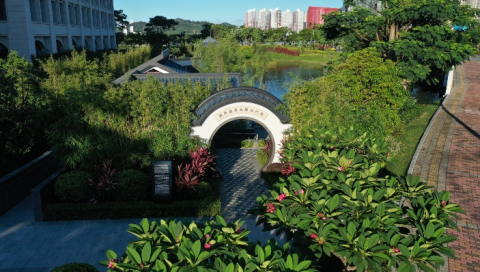
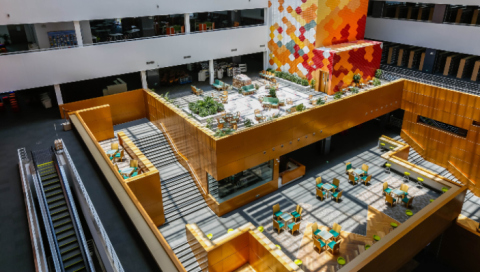
UM offers the research, cultural, social and recreational facilities you would expect from a top university and lots of greenery to facilitate learning, research and innovation.
- University Mall: More than 27 outlets at UMALL with dining, retails, culture, banking and entertainment experiences to serve the various needs from students, staff and visitors.
- University Hall: Consisting of an auditorium with a seating capacity of approximately 1, 000 for various kinds of events.
- Student Activity Center: A multi-functional building which provides various venue for student activities including a theatre, an outdoor plaza, an exhibition gallery, Student Corner, meeting rooms and multi-function rooms.
- On-campus Medical Center: Provides on-campus medical consultation service, nursing and first aid service.
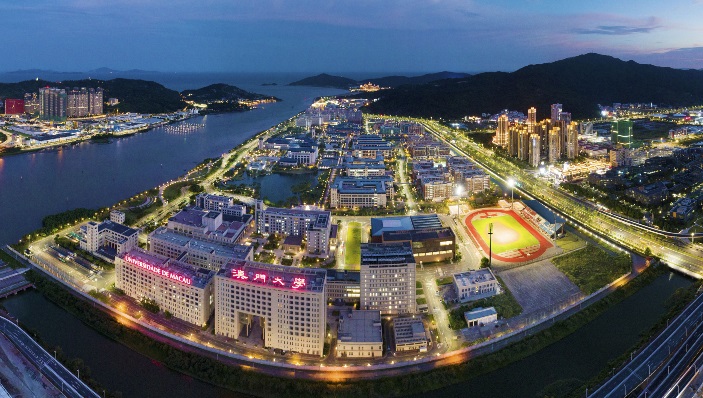
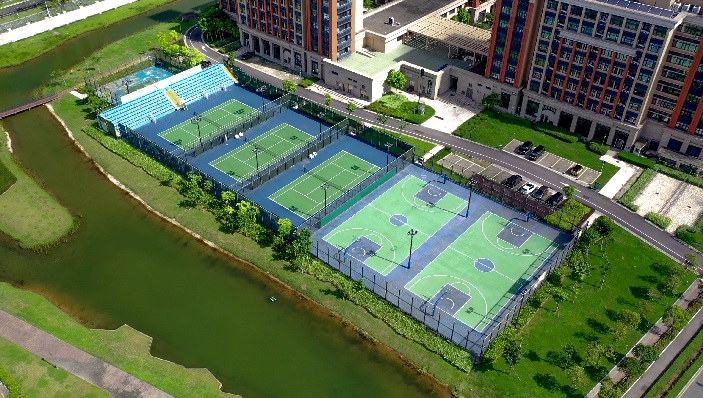
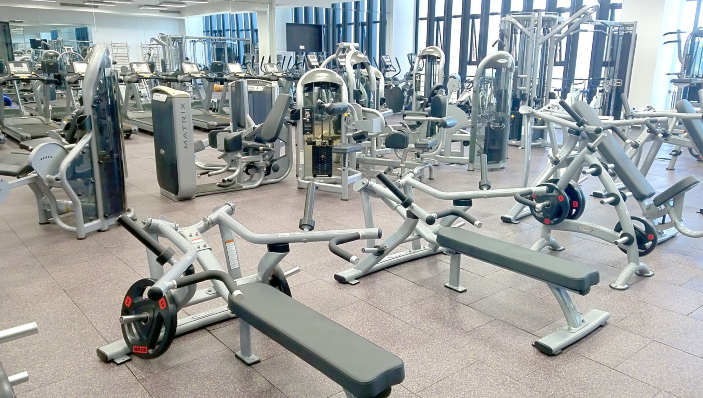
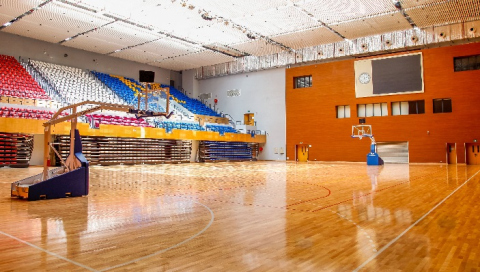
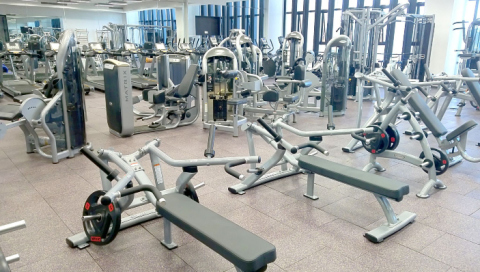
- Sport Facilities: The campus has various large-scale sports facilities, including the UM Sports Complex with an indoor swimming pool, an athletic field, Archery Range, Badminton Hall, Basketball Courts, Dance Room, Fitness Room, Sport Climbing Wall, Squash Court, and many more. The five-storey UM Sports Complex has a total net floor area of approximately 9, 600 square metres. It can be used for large-scale events and performances.
- On Campus Accommodation (Residential College): UM has established 10 colleges including Chao Kuang Piu College, Cheng Yu Tung College, Cheong Kun Lun College, Choi Kai Yau College, Henry Fok Pearl Jubilee College, Lui Che Woo College, Ma Man Kei and Lo Pak Sam College, Moon Chun Memorial College, Shiu Pong College and Stanley Ho East Asia College. Each RC can accommodate 450-500 students. It is a small on-campus staff-student learning community which integrates students’ learning and life, aiming to promote students’ whole-person development.
- On Campus Accommodation (Postgraduate): The Postgraduate House mainly offers on-campus accommodation and living services to UM postgraduate students, visiting scholars and University guests.
The University’s campus network connects more than 10, 000 network devices through more than 600 optical fiber connections in various buildings, providing more than 82, 000 wired network connections and over 90% indoor wireless coverage of campus. All students and staff can access to Internet through campus network. In addition, they can use SSL VPN for secure access to internal University resources off campus.
The University provides more than 3, 200 computers and 6 central computer rooms for students and staff. All user and University data is stored on University’s central storage system, which currently has a raw capacity of 2 PB. For research, a central High Performance Computing Cluster with over 3, 900 CPU cores and 34 GPUs is available to provide University’s researchers with high performance computing resources for supporting various research areas such as Bio-Medical, Analysis of Chinese Medicine, Precision Medicine, Medical Imaging, Materials Sciences, Engineering Design, Simulation Analysis, etc.
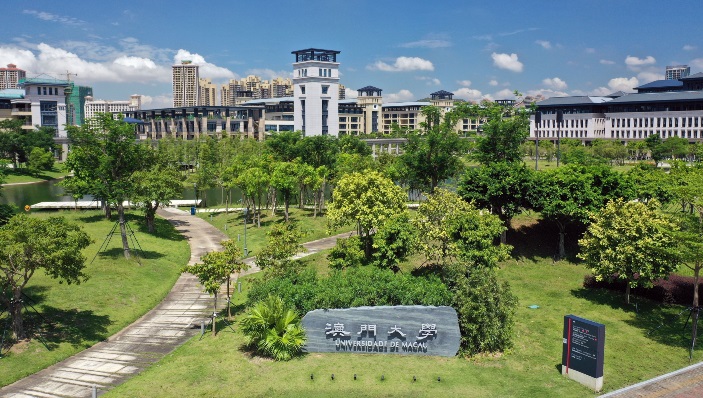
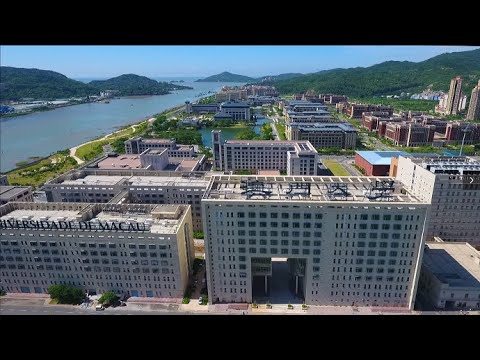
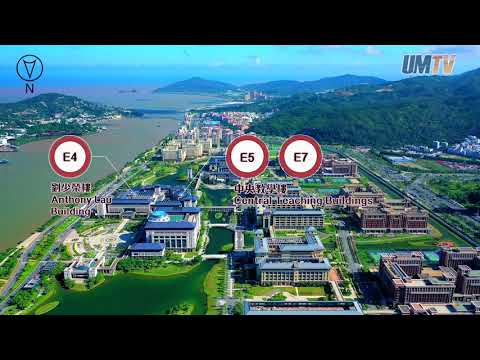
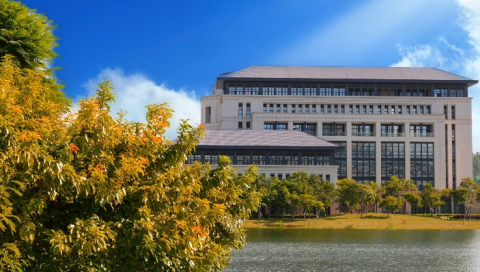
The University of Macau Library, occupying a very central location of the new campus, and surrounded by a man-made lake and a man-made river, is the landmark building of the whole campus. The main entrance, facing the Library Square, connects with the Central Teaching Building and the Faculties through corridors and bridges. The Library is a magnificent building of seven floors with two lower wings on its sides. The size of the new library is 32, 000 square meters, and has some 3, 000 seats.
After 40 years of development, the Library has become the largest library in Macau. At this moment, the Library holds a collection of over 12 million pieces/items, which includes about 850, 000 books, 6, 000 titles of periodicals, 26, 000 rare books, 30, 000 items of AV materials, 1, 000 paintings/antiques, 3, 000 items of archival collections and 5, 000 rolls of microfilms. With the rapid development of web services, the Library has acquired quite a number of electronic resources, which includes about 260 e-databases, 760, 000 e-books, 11, 100, 000 e-theses, 4, 000 titles of e-newspapers and 100, 000 titles of e-journals.
The Library has auditorium, lecture rooms and exhibition spaces for cultural activities and information literacy workshops.
The Library also encourages and emphasizes on discussion, sharing and interaction among students. With easy accessibility of information on the web, libraries these days have to become places for collaborative learning and interaction among their readers. To achieve this aim, the Library provides a large number of group discussion rooms installed with state-of-the-art equipment. In addition, there are some new facilities including information commons, Media Lab and arts corner for the creative activities of the users.
The university provides facilities and hardware to facilitate student activities. For details, please refer to the New Student Handbook website.
Student life
UM has a vibrant mix of events, competitions, public lectures, seminars, visits or community services to enrich the students’ life on campus. They also have opportunities to interact with distinguished speakers and leading scholars who come to visit UM from around the world.
U-Teams and Student Organizations
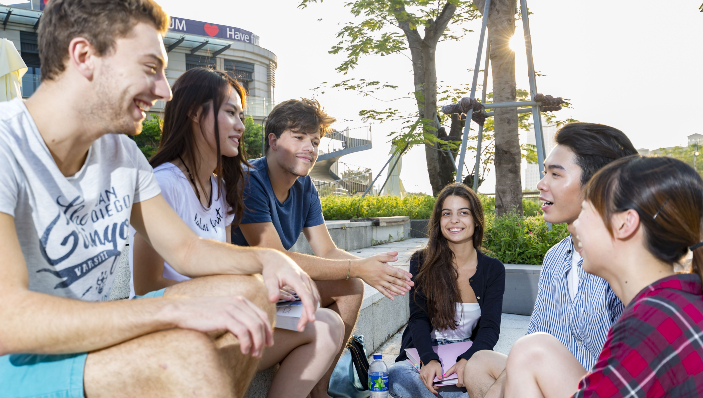
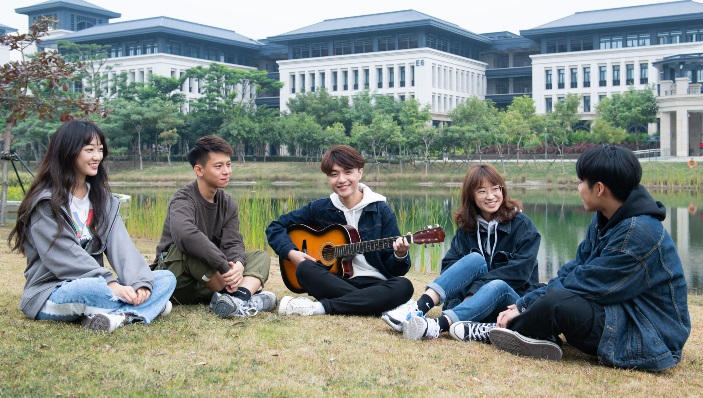
There are close to 30 sports, cultural, and art teams at UM for students to choose from, which students can make friends from different cultural backgrounds. Students can also pursue their interests and discover their passions by joining the 100 student-led groups under the Students’ Union and the Postgraduate Association.
Furthermore, to promote sports culture and healthy living on campus, a wide range of sports activities, sports interest courses and Fitness Room Users Introductory Course are being organised. For more information, please go to the Office of Sports Affairs website.
A Unique Residential College System
UM adopts a holistic education system based on the residential college system, as a platform for the integration of the four types of education in the ‘4-in-1’ model. This is unique among universities in Macao. There are currently ten RCs at UM, namely Chao Kuang Piu College, Cheng Yu Tung College, Cheong Kun Lun College, Choi Kai Yau College, Henry Fok Pearl Jubilee College, Lui Che Woo College, Ma Man Kei and Lo Pak Sam College, Moon Chun Memorial College, Shiu Pong College, and Stanley Ho East Asia College. Each RC can accommodate 450-500 students. As a complement to the faculty-based system, the RCs serve as a vehicle for whole-person education through systematic planning of experiential programmes. RCs aim to nurture students into compassionate and socially responsible individuals with the ability for self-reflection amid a culturally diverse and intellectually stimulating environment, with the aim of nurturing students who are successful in their studies and of high moral character. The RCs strive to enhance students’ seven competencies: civic responsibility, global competitiveness, knowledge integration, teamwork, service and leadership, cultural engagement, and healthy living.
Scholarships
International Student Scholarship (Tuition Differential Waiver)
Value
50% Tuition fee waiver
Deadline
30 Apr 2027
International Student Scholarship (Full Tuition Waiver)
Value
100% Tuition fee waiver
Deadline
30 Apr 2027
International Student Scholarship (Full Tuition & Accommodation Waiver + Stipend)
Value
100% Tuition fee waiver
Deadline
30 Apr 2027
Employability
The University of Macau (UM) is the only public comprehensive university in the Macao Special Administrative Region (MSAR) located at the west bank of the Guangdong-Hong Kong-Macao Greater Bay Area (GBA). The GBA is rapidly developing into one of the leading technology and innovation hubs of the world. With a scenic campus of approximately 1 square kilometer on Hengqin Island, UM has achieved significant progress in the past decade as evidenced by its rising international repute, state-of-the-art teaching and research facilities, and the establishment of three State Key Laboratories in Microelectronics, Chinese Medical Sciences, and Internet of Things for Smart City. To support economic diversification of MSAR and deepen collaboration between MSAR and Guangdong Province in Hengqin island, UM will continue to invest in cutting-edge research and develop interdisciplinary programmes in key strategic areas including Precision Oncology, Advanced Materials, Regional Oceanography, Artificial Intelligence and Robotics, Data Science, Cognitive and Brain Science as well as economics and finance. Leveraging its "4-in-1" model of education and the largest residential college system in Asia, UM provides all-round undergraduate education, nurturing talent to support social and economic development in MSAR and the GBA as a whole. With unprecedented growth and opportunities for development, UM offers promising career prospects to academics at all levels. It may be noted that English is the working language and the primary medium of instruction at UM. For more information on career opportunities, please visit: Career@UM – University of Macau. For more information on staff benefits, subsidies etc. and living in Macao, please visit: Learn More – Career@UM
Rankings & Ratings
University of Macau is one of the top Public universities in , Macau SAR. It is ranked #267 in QS World University Rankings 2027.


QS World University Rankings
- 2015# 701+
- 2016#651-700
- 2017#501-550
- 2018#501-550
- 2019#=443
- 2020#387
- 2021#367
- 2022#=322
- 2023#304
- 2024#254
- 2025#245
- 2026#=285
- 2027#267

QS World University Rankings
- 2015# 701+
- 2016#651-700
- 2017#501-550
- 2018#501-550
- 2019#=443
- 2020#387
- 2021#367
- 2022#=322
- 2023#304
- 2024#254
- 2025#245
- 2026#=285
- 2027#267






























Campus locations

open the map
Frequently Asked Questions
Yes. The fact that English is the main medium of instruction at UM has attracted outstanding students from around the world, which in turn has created a vibrant, multicultural campus. 80 per cent of its faculty members are from outside Macao.
Macao was a territory administered by Portugal and now a Special Administrative Region of China, Macao’s architecture, art, religion, traditions, food and community reflect the integration of Chinese, Western and Portuguese cultures. The Historic Centre of Macao was inscribed on the UNESCO World Heritage List due to its unique historical and cultural landscape. In recent years, Macao has developed into a metropolitan city and currently positioning itself as the World Centre of Tourism and Leisure as it develops into a quality international tourist destination.
Is it "Macau" or "Macao"?
They are both correct. “Macau” remains the official modern Portuguese spelling and is adopted by many European countries. “Macao”, is officially used by The People’s Republic of China and commonly used by many English-speaking governments.
Why UM?
UM, (ranked #304 in QS WUR) is the only public comprehensive university in Macao. It provides quality education with international accreditation with an open, safe and diverse campus.
The university constantly expands its international network and actively builds new platforms for international collaboration in order to broaden the students’ horizons. It has established collaboration agreements with more than 250 institutions of higher learning in over 30 countries and regions. UM students can choose from over 150 institutions around the world for exchange programmes or overseas studies. The university also provides students with many internship opportunities, both local and overseas, in order to enhance their employability upon graduation.
UM has established close strategic partnerships with leading academic institutions Worldwide. UM has launched joint training programmes with a number of world-renowned universities, including Imperial College London, the University of Edinburgh, the University of Toronto, the University of Porto, the University of Lisbon, the University of Coimbra, Tsinghua University, Peking University, Zhejiang University, and South China University of Technology.
UM adopts a holistic education system based on the residential college (RC) system, as a platform for the integration of the 4 types of education in the "4-in-1" model. This is unique among universities in Macao. There are currently ten RCs at UM. As a complement to the faculty-based system, the RCs serve as a vehicle for whole-person education through systematic planning of experiential programmes. RCs aim to nurture students into compassionate and socially responsible individuals with the ability for self-reflection amid a culturally diverse and intellectually stimulating environment, with the aim of nurturing students who are successful in their studies and of high moral character. The RCs strive to enhance students’ seven competencies: civic responsibility, global competitiveness, knowledge integration, teamwork, service and leadership, cultural engagement, and healthy living.
testYes. For International & Exchange students, no study visa (stay permit) at Macau is needed before your arrival. The Student Resources Section (SRS) will arrange the study visa (stay permit) application for all international students as a group after your arrival in Macau. However, you might need an “Entry Visa” to get into Macaou.
For more information, please visit our Students Affairs Office Website.
Get closer to your dream programme
Your consent preferences have been set.
Time to start exploring.
Your account has been removed.
You can still browse the site or sign up again once you have parental consent.
Get closer to your dream programme