





This article is adapted from the QS Top Grad School Guide 2016-2017. You can read the most recent version of the magazine online here.
Believe it or not, it is indeed possible to study abroad on a budget! Some of the best places to study abroad are also ones where tuition fees are low, or even non-existent. Read on to find out more about 10 of the cheapest countries to study abroad, in no particular order…
1. Norway

Although all of the Nordic countries are relatively affordable study destinations, Norway is our pick as it remains free for everyone, from both within and outside the EU, at public universities, with the exception of a few specialized programs. Europe’s Nordic countries are known for their high quality of life and stunning natural beauty, and Norway is no exception. Another reason to study in Norway is the availability of English-taught programs at all study levels, plus a high number of locals proficient in English. However, as with the other Nordic countries, Norway comes with a high price tag in terms of living costs; you’ll need around NOK 139,680 (~US$17,200) per year.
2. Taiwan

Heading to Asia, Taiwan is another of the cheapest countries to study abroad. For example, at National Taiwan University – the nation’s leading university at 72nd in the QS World University Rankings® 2019 – tuition fees for undergraduates start at TW$100,920 (~US$3,300) per year for liberal arts programs, up to TW$124,200 (~US$4,050). The country offers more than 120 courses taught in English, at over 40 universities, and Taiwan is also a popular destination in which to learn Mandarin. Taiwan also offers a good quality of life with relatively low living costs; accommodation costs as little as TW$88,000 (~US$2,900) per year.
3. Germany
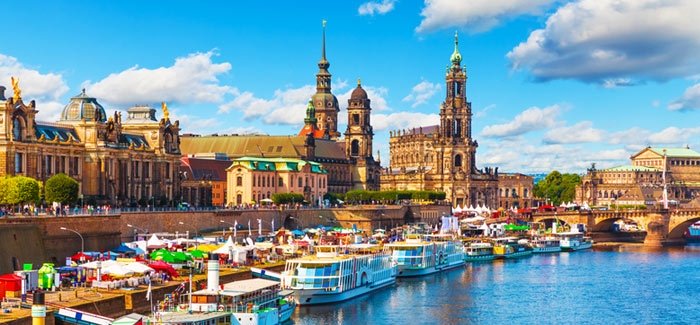
Known as ‘the land of ideas’, Germany is continuing to grow in popularity with international students, and it’s not hard to see why – it offers reputable universities, relatively low costs, and a high quality of life. There are no tuition fees charged at undergraduate and PhD level at all public universities, excluding those in Baden-Württemberg. Master’s students who have not studied their undergraduate degree in Germany will typically pay upwards of €20,000 (~US$23,450) per year, but you may be able to find a scholarship to help. To cover living costs, you’ll need at least €10,200 (~US$11,950) per year, but possibly more, depending on your lifestyle, location and spending habits. And there are a range of English-taught courses, particularly at graduate level.

















Get closer to your dream programme
Your consent preferences have been set.
Time to start exploring.
Your account has been removed.
You can still browse the site or sign up again once you have parental consent.
Get closer to your dream programme