





10 monthsProgramme duration

15,575 EURTuition Fee/year

SepStarting Month

Programme overview
Main Subject
Dentistry
Degree
Other
Study Level
Masters
Study Mode
On Campus
1. Training in Advanced Prosthetics
The development of technology has conditioned multiple advances in diagnostic and therapeutic techniques in all fields of dentistry, acquiring a fundamental role in the development of the field of oral rehabilitation and within it, the prosthesis represents a fundamental pillar.
In parallel, the socio-cultural reality, with a notable increase in average life expectancy and the consolidation of an optimal level of quality of life, has determined a growing demand for quality dental treatment, linked not only to the functional but aesthetic.
The prosthesis coexists with the rest of the rehabilitation treatments, being an essential complement to multiple areas such as implantology, minimally invasive dentistry, periodontics, etc. Teamwork and a multidisciplinary approach are the guarantees of personalized and appropriate treatment for each patient.
2. Innovative teaching methodology
The training is focused on the consolidation and development of diagnostic skills and clinical treatment in dental rehabilitation treatments of varying complexity.
The methodological structure establishes core training activities that root the practical application of the foundations of the different basic subjects. Participation in these activities has its highest level of expression in the performance of multidisciplinary clinical sessions in which the multidisciplinary treatment of each clinical case is addressed.
Together with the aforementioned training, intensive training monographs have been developed dedicated to specific decisive competencies as training pills.
The academic structure will allow the coexistence in the facilities during certain training activities of the students enrolled in the different postgraduate degrees in Dentistry. This methodology enables the development of an overall vision of the pathologies and their treatments and establishes solid links for teamwork from the different areas.
3. Clinical practices
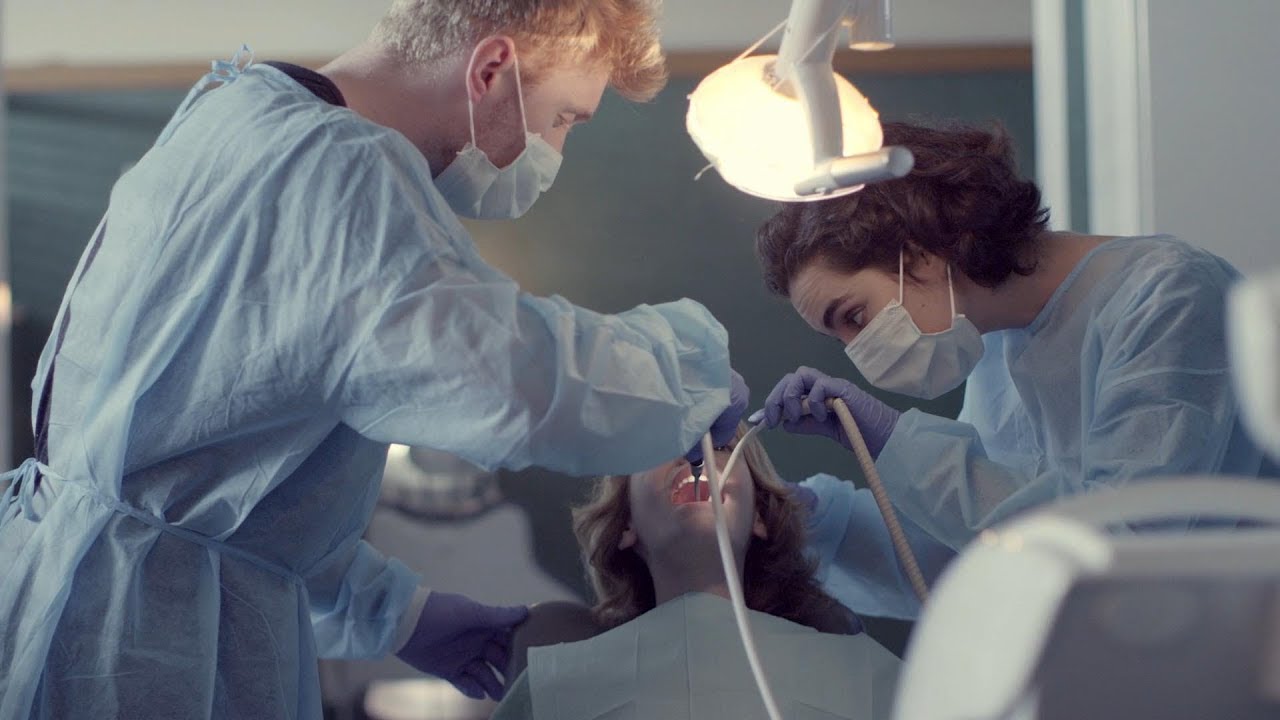
The training program includes a large number of practical hours linked to the development and strengthening of the skills required to address and carry out successful oral rehabilitation in an ethical work environment committed to social needs. The teaching load of the practical activities represents a percentage higher than 50% of the attendance of the students.
The reduced practice groups allow a personalized approach to all clinical cases, especially the most complex ones, and close contact with the teaching staff linked to the degree.
4. Intensive training program
The teaching schedule for all clinical activities has been intensively structured into a maximum of three consecutive weekly sessions, which allows master's students to maintain their clinical activity, if they deem it appropriate, to travel from other geographical locations, carry out parallel training programs, have free time to consolidate their studies or carry out voluntary internships in clinics (the University has an extensive offer of collaboration agreements with various entities).
Programme overview
Main Subject
Dentistry
Degree
Other
Study Level
Masters
Study Mode
On Campus
1. Training in Advanced Prosthetics
The development of technology has conditioned multiple advances in diagnostic and therapeutic techniques in all fields of dentistry, acquiring a fundamental role in the development of the field of oral rehabilitation and within it, the prosthesis represents a fundamental pillar.
In parallel, the socio-cultural reality, with a notable increase in average life expectancy and the consolidation of an optimal level of quality of life, has determined a growing demand for quality dental treatment, linked not only to the functional but aesthetic.
The prosthesis coexists with the rest of the rehabilitation treatments, being an essential complement to multiple areas such as implantology, minimally invasive dentistry, periodontics, etc. Teamwork and a multidisciplinary approach are the guarantees of personalized and appropriate treatment for each patient.
2. Innovative teaching methodology
The training is focused on the consolidation and development of diagnostic skills and clinical treatment in dental rehabilitation treatments of varying complexity.
The methodological structure establishes core training activities that root the practical application of the foundations of the different basic subjects. Participation in these activities has its highest level of expression in the performance of multidisciplinary clinical sessions in which the multidisciplinary treatment of each clinical case is addressed.
Together with the aforementioned training, intensive training monographs have been developed dedicated to specific decisive competencies as training pills.
The academic structure will allow the coexistence in the facilities during certain training activities of the students enrolled in the different postgraduate degrees in Dentistry. This methodology enables the development of an overall vision of the pathologies and their treatments and establishes solid links for teamwork from the different areas.
3. Clinical practices
The training program includes a large number of practical hours linked to the development and strengthening of the skills required to address and carry out successful oral rehabilitation in an ethical work environment committed to social needs. The teaching load of the practical activities represents a percentage higher than 50% of the attendance of the students.
The reduced practice groups allow a personalized approach to all clinical cases, especially the most complex ones, and close contact with the teaching staff linked to the degree.
4. Intensive training program
The teaching schedule for all clinical activities has been intensively structured into a maximum of three consecutive weekly sessions, which allows master's students to maintain their clinical activity, if they deem it appropriate, to travel from other geographical locations, carry out parallel training programs, have free time to consolidate their studies or carry out voluntary internships in clinics (the University has an extensive offer of collaboration agreements with various entities).
Admission Requirements
To apply for admission, you must complete a simple online form indicating the degree you are interested in studying.
Remember that the process described here applies only to national students, that is, those who have followed pre-university studies in Spanish territory or outside this territory, but in the Spanish educational system (regardless of their nationality). International students must follow the international admission process.
In the form, you will be asked to specify some personal data and which degrees you are interested in studying. You can choose up to 2 preferred degrees in the same application, but the interview will only be for the first option.
If you have a degree or are pursuing university studies at another University, in addition to filling out the admission application form, you must attach an informative copy of your academic record in order to be able to study your case and be informed on the day of the interview of the subjects that could be validated.
Tuition fees
Domestic
International
Scholarships
Selecting the right scholarship can be a daunting process. With countless options available, students often find themselves overwhelmed and confused. The decision can be especially stressful for those facing financial constraints or pursuing specific academic or career goals.
To help students navigate this challenging process, we recommend the following articles:

How to get a full scholarship
Looking for a fully-funded scholarship to see you into university? Find out how to boost your chances of getting one.


Scholarships to study abroad
Find scholarships to study abroad with our lists of international scholarships – categorized by country, by subject, and by type of student.


Scholarship Applications: Frequently Asked Questions
Get answers to all your questions about scholarship applications, including tips on how to find scholarships and chances of success.





Get closer to your dream programme
Your consent preferences have been set.
Time to start exploring.
Your account has been removed.
You can still browse the site or sign up again once you have parental consent.
Get closer to your dream programme